Anti-Counterfeit Compliance in India: A 2026 Brand-Owner's Guide
- Share
- publisher
- Fiona Mai
- Issue Time
- Nov 13,2026
Summary
A 2026 brand-owner's guide to India's anti-counterfeit and labelling compliance: the CDSCO Schedule H2 QR expansion, BIS/QCO certification, FSSAI and Legal Metrology declarations, honest boundaries, and a six-step path to one verifiable product-identity record.
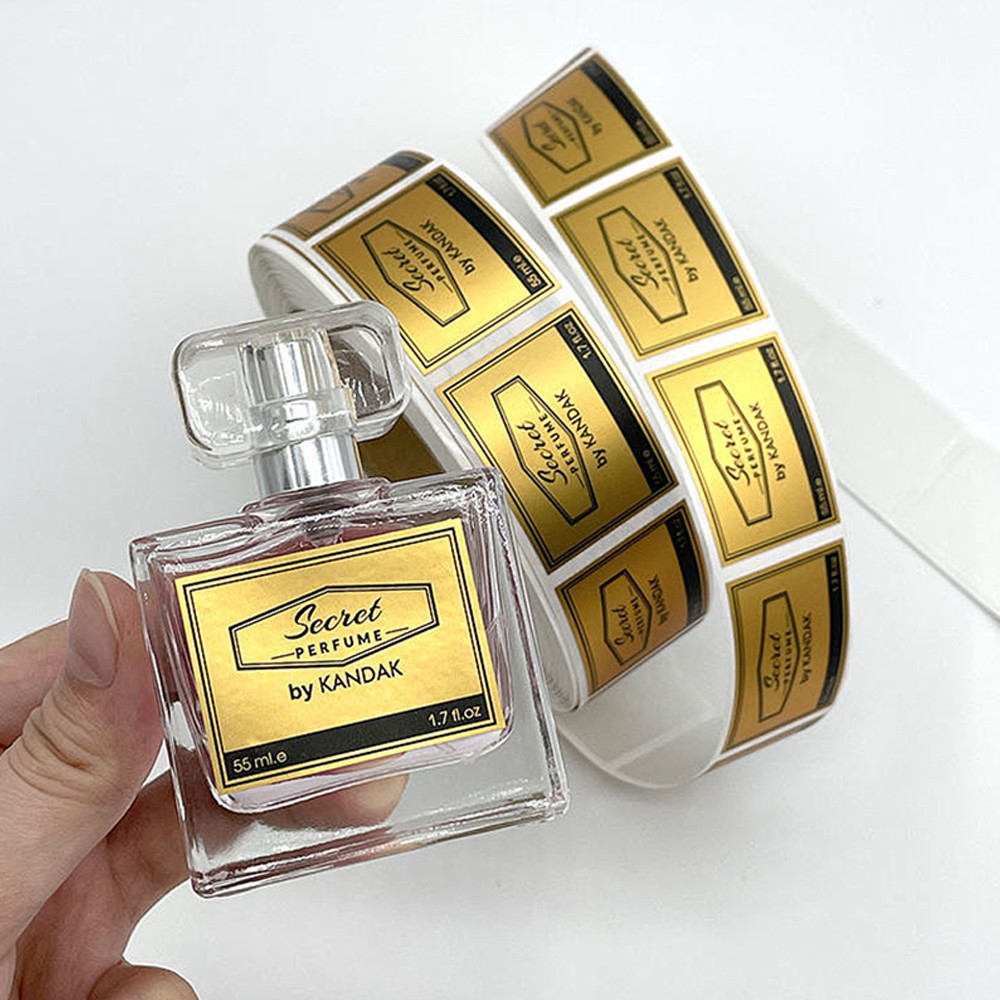
If you are a brand owner selling into India, the most expensive mistake is assuming there is a single "anti-counterfeit regulation" to satisfy. There is not. A medicine pack answers to the drug regulator, an appliance to the Bureau of Indian Standards, a food label to food-safety and legal-metrology rules, and a spirits bottle to a state excise department. Each regime starts from a different law, checks different evidence, and is enforced by a different authority. This guide maps what is actually mandatory in 2026, what is only good practice, and where authentication labels genuinely help — so you can build one product-identity record instead of five disconnected label projects. (For the global picture, see our 2026 anti-counterfeiting trends outlook.) Before choosing any label technology, identify which regimes touch your SKU. A single product can sit under several at once — an electrical item in plastic packaging, for example, meets BIS, legal metrology and EPR together. Sources: Press Information Bureau, MoHFW (25 June 2026, PRID 2277691; 24 March 2026, PRID 2244523); Bureau of Indian Standards (bis.gov.in); FSS (Labelling and Display) Regulations 2020; Legal Metrology (Packaged Commodities) Rules 2011. See the full source list in the byline below. The clearest QR mandate is in pharmaceuticals. A 2023 amendment to the Drugs Rules, 1945 required the top 300 drug formulation brands listed in Schedule H2 to print or affix a barcode or QR code on the primary packaging label (or secondary packaging where space is insufficient), storing data readable through software for authentication. Every active pharmaceutical ingredient, whether made or imported, must also carry a QR code at each packaging level for tracking and tracing. On 25 June 2026, the Union Ministry of Health and Family Welfare notified amendments (G.S.R. 506(E)) that widened Schedule H2 well beyond the top-300 list to cover all vaccines, antimicrobials, anti-cancer medicines, and narcotic and psychotropic drugs under the NDPS Act, 1985. The code must carry nine data elements: unique product identification code, proper and generic name, brand name, manufacturer name and address, batch number, date of manufacture, date of expiry, manufacturing licence number, and details of excipients. Compliance is phased — the vaccine, NDPS and anti-cancer provisions take effect 1 July 2027, and antimicrobials 1 July 2028, with voluntary early adoption encouraged. For electronics and electrical goods, the gate is certification, not serialization. Under the BIS Act, 2016 and the relevant Quality Control Orders, notified products must bear the Standard Mark — the ISI mark (Scheme I) for domestic manufacture, or CRS registration (Scheme II) for listed electronics/IT goods and imports. The two are not interchangeable, and printing an ISI mark without a licence is a cognizable offence. A 2026 traceability expectation adds the certificate/registration number so a mark can be checked in the official BIS system; a mark with no verifiable number is treated as an invalid compliance label. The compliance failure mode is rarely deliberate fraud — it is a missed deadline, a misclassified SKU, or a counterfeit ISI label from a supplier that undermines the whole shipment. A scannable, brand-controlled layer lets a distributor or inspector confirm the pack against the manufacturer's own record in seconds. We cover the SKU-mapping, scheme-selection and marking steps in BIS certification & anti-counterfeit for electronics. For spices, tea, edible oil and other packaged foods, three separate lines apply and none can substitute for another: FSSAI food labelling (content — ingredients, nutrition, date marks, allergen, veg/non-veg mark, FSSAI licence number and logo), Legal Metrology (the mandatory declarations on the principal display panel), and — for certain packaging materials — BIS standards. Responsibility also differs: the Food Business Operator owns the content of the food label, while the brand owner owns the legal-metrology declarations. Printers handle artwork, not legal liability. The practical pressure is panel real estate. Logos, product name, statutory declarations, net quantity, MRP and the FSSAI / BIS marks all compete for the principal display panel, with minimum type sizes set by rule — and font sizes must be fixed at pre-press, not discovered after printing. This is exactly where a compact, layered authentication label earns its place: one element that carries a scannable identity without crowding out statutory text. Our India FMCG trust-crisis guide covers the category-specific risks, and the QR print specs cover minimum size, quiet zone and contrast. Across all these regimes, the same building blocks keep recurring: a product identity, batch and dates, manufacturer details, and a record of movement. The law sets out what must be recorded, displayed or registered — it does not name a vendor or a platform. Build that record once, then treat each regime as a different view on it. That is the difference between five parallel label projects and one controlled system. A serialized or dynamic QR ties the pack to a backend record. Start with the QR implementation playbook and dynamic vs static codes — dynamic codes let you update excipient or declaration data without reprinting. For high-value goods, NFC / RFID adds cryptographic proof via tap-to-verify. See the B2B buyer's guide and the NTAG 424 DNA explainer. Hologram and VOID features give visible deterrence and tamper evidence on the same panel. Compare Hologram 101, the hologram + QR hybrid and the layered authentication framework. As a system + technology + printing supplier, QSDEFENDER builds these as a single controlled workflow — code generation, secure printing and verification backend — so the identity on the pack and the record in the system cannot drift apart. Regulatory marks such as ISI stay compliant; the verification layer makes them checkable per unit. Not for every product. India requires QR / barcode authentication for specified pharmaceutical categories under Schedule H2, and statutory labelling declarations for packaged commodities under Legal Metrology and food-safety rules. A security hologram or NFC tag on general FMCG is a brand-protection measure, not a universal legal requirement. No. Schedule H2 requires batch-level QR or barcode data with defined data elements. Unit-level serialization with aggregation and event reporting is a DSCSA / EU FMD requirement. Brands serving both markets usually run both. A 25 June 2026 notification (G.S.R. 506(E)) extended the QR framework from the original top-300 brands to all vaccines, antimicrobials, anti-cancer medicines and NDPS-listed narcotic / psychotropic drugs, with a nine-element data set and phased effective dates of 1 July 2027 (vaccines, NDPS, anti-cancer) and 1 July 2028 (antimicrobials). It varies by regime. The Food Business Operator owns food-label content and the brand owner owns legal-metrology declarations; printers execute artwork. Contractually defining who supplies which data, and keeping a signed pre-press checklist, prevents most disputes. Yes, if you design the underlying record first. A single serialized identity can drive the QR data a drug regulator expects, the registration number a BIS inspector checks, and the verification page a consumer scans — provided the statutory text for each regime stays on the pack in full.India Is Not One Compliance Rule — It Is Several

The 2026 Regulatory Map at a Glance
Regime / authority What it makes mandatory Where authentication helps CDSCO / Schedule H2
Drugs Rules, 1945Barcode or QR on listed drug packs carrying defined data elements; batch-level traceability records. Binds the code to a verifiable manufacturer record and deters copied codes. BIS / QCO
BIS Act, 2016Standard Mark (ISI, Scheme I) or CRS registration (Scheme II) on notified goods, with a traceable registration number. Stops forged ISI marks and lets inspectors verify a unit against the register. FSSAI
FSS (Labelling & Display) Regs, 2020Ingredient list, nutrition, date marks, allergen and veg/non-veg marks, licence number and logo on food packs. Protects the declared brand identity and license number from duplication. Legal Metrology
Packaged Commodities Rules, 2011Mandatory declarations on the principal display panel: manufacturer/brand-owner address, net quantity, MRP (inclusive of taxes), unit price, consumer-care contact. Keeps the statutory panel tamper-evident and verifiable. Pharma: Schedule H2 and the 2026 Expansion
Electronics: BIS Certification and the 2026 QCO
Food & FMCG: Labelling Declarations, Not a Blanket Label Mandate
Honest Boundaries: What This Guide Does Not Claim
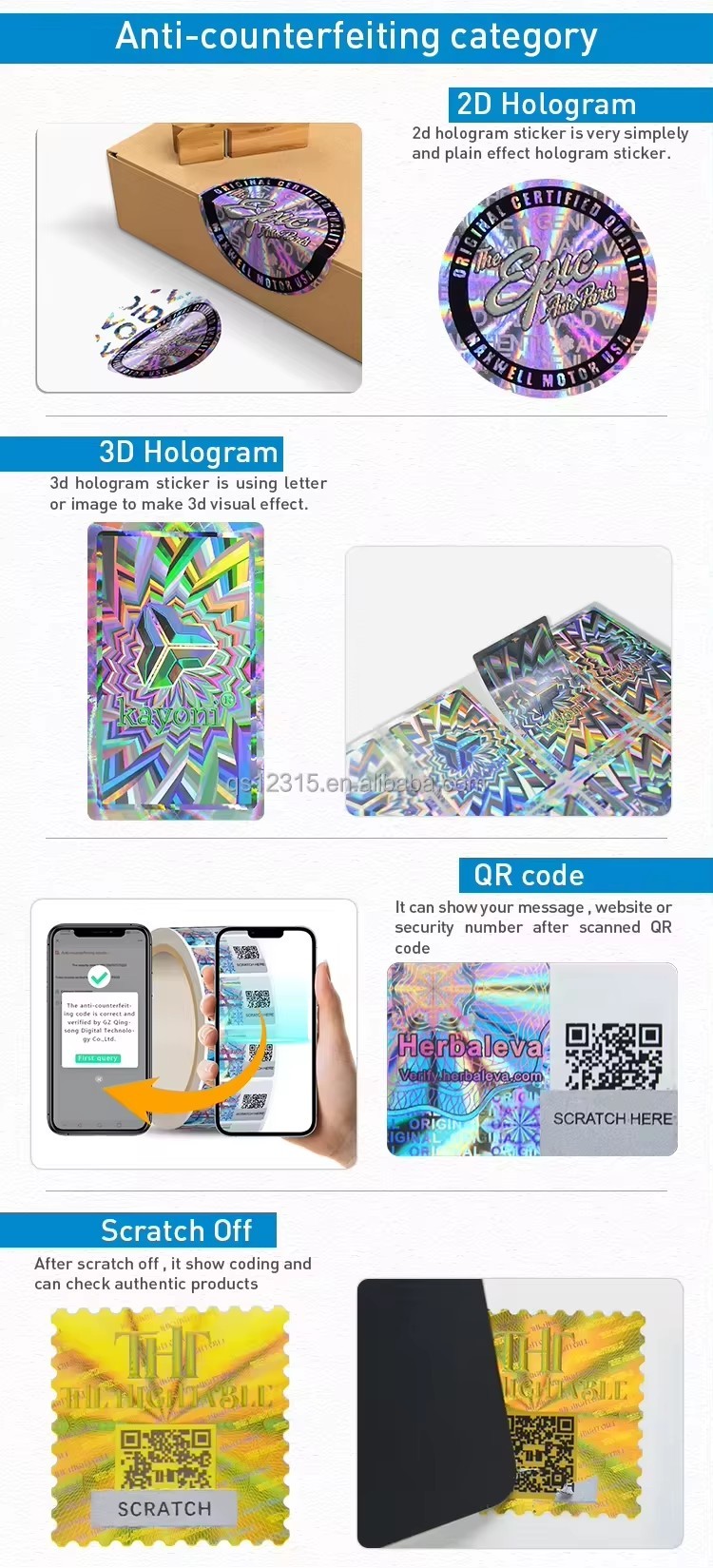
One Product-Identity Record, Several Regulatory Views
Identity layer
Verification layer
Physical layer
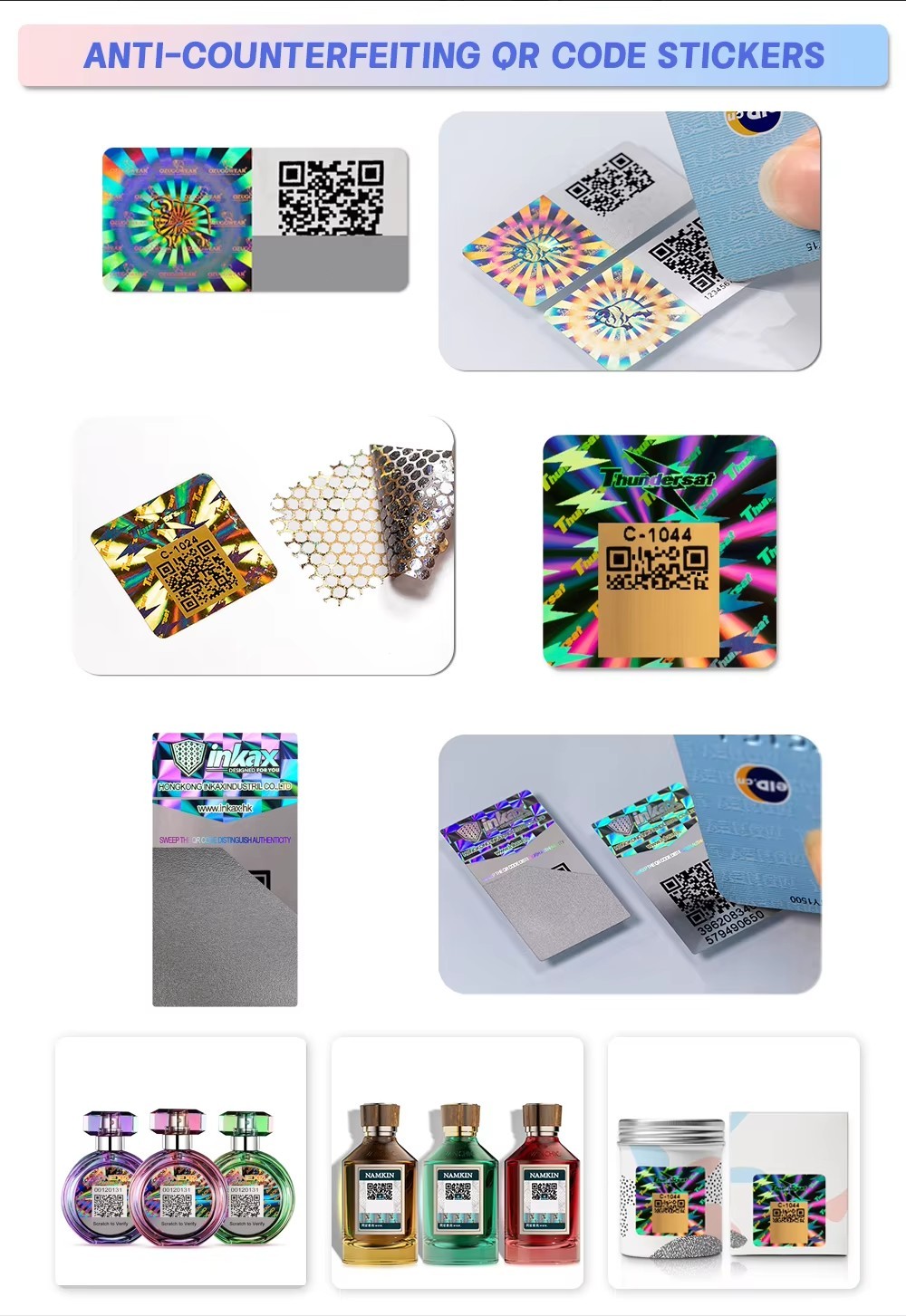
A Six-Step Path From Compliance to Authentication
Frequently Asked Questions
Are anti-counterfeit labels mandatory in India?
Does Schedule H2 require unit-level serialization like the US DSCSA?
What changed in the 2026 Schedule H2 amendment?
Who is responsible when a pack is non-compliant — the brand or the printer?
Can one label serve several regimes at once?