Anti-counterfeiting technology: Guarding "truth" in the digital age
- Share
- publisher
- fy
- Issue Time
- Dec 7,2025
Summary
This article introduces the core value of anti-counterfeiting technology, the main classification of technologies (from the identification by the general public at the first level to the identification by laboratories at the third level), and focuses on discussing the cutting-edge digital trends such as blockchain and intelligent packaging. A new "Reader Q&A" section has been added, providing in-depth and easy-to-understand answers to practical questions that consumers are most concerned about.

The Truth-Value Game - A Modern War About Trust
We live in an era surrounded by counterfeits. From a bottle of fine wine, a luxury lipstick, to an important document, a box of emergency medicine, the shadow of forgery is everywhere. Anti-counterfeiting technology, the "shield" in this silent battle, has long gone beyond mere commercial protection and has become the cornerstone for maintaining market order, ensuring public safety, and fostering social trust. This article will take you on a deep dive into the cutting-edge technologies and future trends of this battle.
I. Overview of Anti-counterfeiting Technology: From Traditional to Intelligent
Traditional physical anti-counterfeiting (visible protection)
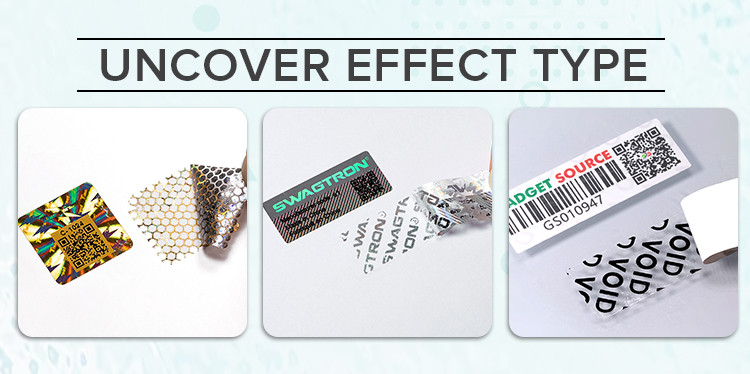
· Holographic labels: Utilizing the interference of light to generate three-dimensional images, changing the angle reveals dynamic effects. They are widely used for software licenses and branded products.
· Special inks and paper: Including sun-bleaching, ultraviolet fluorescence, infrared absorption, watermark paper, etc. They are the classic defense lines for banknotes, passports, and bills.
· Microprinting and covert marks: Concealing extremely difficult-to-identify tiny texts or patterns in printed materials.
2. Digital Information Authentication (Traceable Trust)
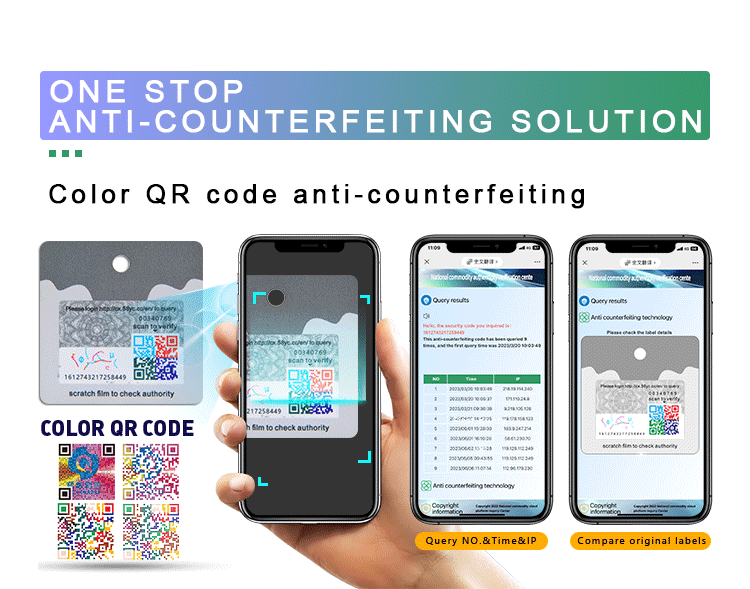
· QR code/RFID: Grants each product a unique "digital identity card", enabling full traceability from production to sales.
· Blockchain evidence storage: Leveraging its decentralized and immutable characteristics, it stores key product information on the blockchain, establishing transparent and trustworthy circulation records, and is favored by luxury goods and premium alcoholic beverages.
3. Cutting-edge Materials and Biometric Authentication (Unreplicable Identifications)
· Nanoscale optical materials: Such as color-changing films with specific structures, the replication threshold is extremely high.
· Biological DNA markers: By incorporating synthetic specific DNA sequences into ink or materials, they can be read by specialized equipment, achieving nearly absolute uniqueness verification, suitable for top-level artworks and cultural relics.
II. Trend Integration: The Future of Anti-counterfeiting Technology Has Arrived
The future anti-counterfeiting system is no longer the application of a single technology, but a three-dimensional integration of "physical features + digital identity + intelligent verification". For example, a bottle of wine may simultaneously possess:
1. A physical bottle stopper with unique optical texture (first-line anti-counterfeiting).
2. An NFC chip embedded inside that records the origin and year data (second-line anti-counterfeiting and digital traceability).
3. The circulation chain information is recorded on the blockchain (third-line trust mechanism).
When consumers scan it with their mobile phones, they can verify its authenticity and understand the entire process.
【Reader Q&A Session】
Q1: As an ordinary consumer, how can I quickly distinguish the authenticity of products in my daily life?
A: You can develop three simple habits:
1. Follow official channels: Prefer to purchase from the brand's official stores or authorized online stores.
2. Check the anti-counterfeiting mark: After purchase, immediately check the anti-counterfeiting code on the product (scrape off the coating and scan the code or enter the code). Remember: You must verify through the query entry provided by the brand's official website or official APP. Do not directly scan the QR code on the product from an unknown source, as it might be a trap to "fake verify the genuine product".
3. Observe detailed craftsmanship: The genuine products usually have more exquisite and uniform details in packaging printing, material texture, and assembly techniques. Compare with the official pictures on the website, pay attention to the clarity of fonts, colors, and logos.
Q2: Blockchain anti-counterfeiting technology sounds impressive. Is it completely foolproof?
A: Blockchain technology has significantly enhanced the credibility and traceability of the anti-counterfeiting system. However, it is not without flaws. Its core advantage lies in ensuring that the information cannot be tampered with after being uploaded to the blockchain. Nevertheless, the challenge is:
· "Before being linked to the chain": How to ensure that the initial product information recorded on the blockchain (such as "This is genuine product A") is truly genuine? This requires the combination of reliable physical methods like IoT (such as production line monitoring) and authoritative identification to ensure the authenticity of the first link.
· Cost Currently, the full application of blockchain still has costs and technical barriers for small and medium-sized enterprises.
Therefore, blockchain is a key component in building a powerful anti-counterfeiting system, but it needs to be coordinated with other technologies to form a closed loop.
Q3: With AI technology being so advanced, will it also make fraud easier?
A: This is a very sharp type of issue. Indeed, AI can be misused, for instance, the deepfake technology can be used to replicate faces and voices, generating highly realistic product images or videos. But at the same time, AI is also a "super assistant" for fraud prevention
· Intelligent identification: The AI image recognition system can learn tens of thousands of microscopic features of genuine products (such as leather texture, printing dots), instantly identifying the differences in counterfeit products that the human eye cannot detect.
· Big data risk control: AI can analyze global supply chains and e-commerce platform data, identify abnormal sales patterns, and issue early warnings about counterfeit production sites.
The conclusion is: Technology is always a double-edged sword, but in this game, the application of AI in the defense sector is developing rapidly and is usually ahead of the attack sector.