Cosmetics & Skincare Anti-Counterfeiting: The 2026 Brand Playbook
- Share
- publisher
- Fiona Mai
- Issue Time
- Nov 14,2026
Summary
Why cosmetics counterfeits are a public-health risk, a five-layer defense model, tier-based tech selection, and the boundary between safety regulation (MoCRA/EU 1223/2009/CSAR) and brand authentication.
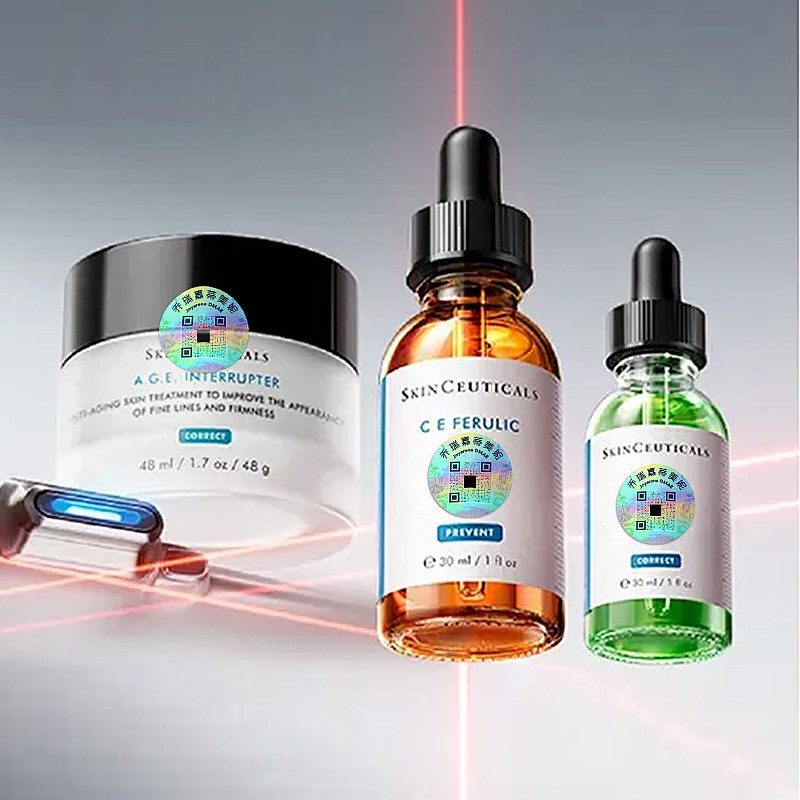
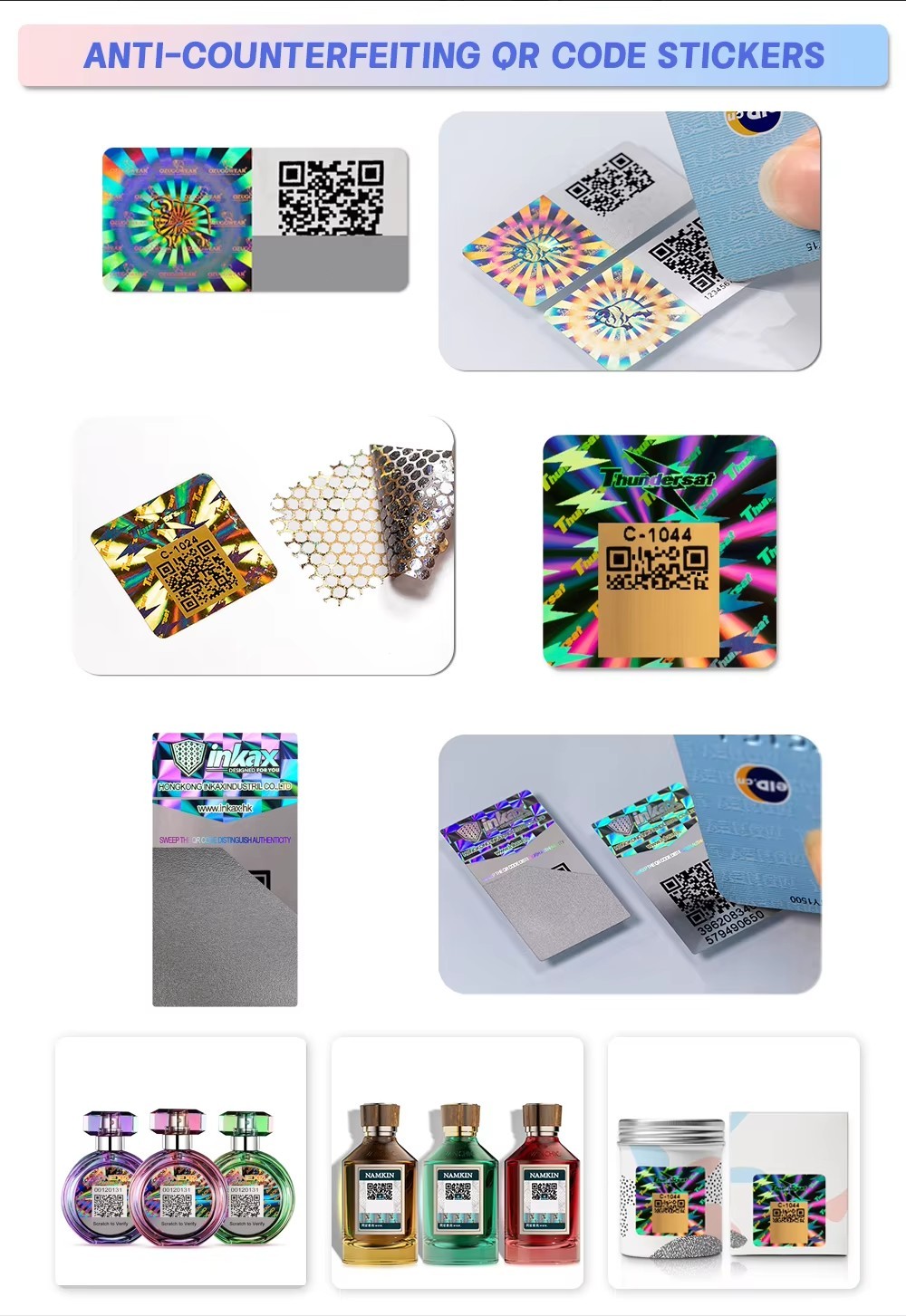
If you make or brand cosmetics and skincare, your product sits in the most dangerous counterfeit category there is — not because the margin is highest, but because the fake is applied to skin. Counterfeit lipstick, serum and perfume are routinely found to contain lead, mercury, industrial-grade solvents and bacteria, and the harm lands on the end user, with your brand name on the bottle. For a brand owner, the question is no longer whether counterfeits will appear, but how fast you can deploy a protection programme that safeguards consumers, revenue and reputation. (For the global picture, see our 2026 anti-counterfeiting trends outlook.) These figures are not edge cases — they are the baseline for every beauty brand, from luxury houses to emerging D2C labels: Sources accessed 14 Nov 2026: OECD / Personal Care Products Council; EUIPO "Counterfeiting in the EU" sector studies; US CBP FY2023 IP rights seizures report; FDA estimates on online cosmetics; Korea Customs Service (2025). Figures are quoted for context and reflect published institutional estimates, not a live real-time rate. The threat goes far beyond lost sales. UK Trading Standards, testing 50 seized counterfeit cosmetics, found substances prohibited in legitimate products: a skin-lightening cream with 1.32% mercury (13,200 ppm), counterfeit lipsticks and eye products with up to 40 mg/kg lead, and a counterfeit fragrance containing around 80% methanol — a toxic alcohol absorbed through skin or inhaled. Counterfeit makeup has also been found with arsenic, beryllium and faecal bacteria from unregulated facilities. None of this is visible from the packaging. A consumer cannot tell what is inside, how it was made, or what risk it poses — which is exactly why brand-controlled verification matters. One feature is never enough. The same layered framework we apply across industries works especially well for beauty, where packs are small, premium and easy to resell: Registered hologram or colour-shift ink gives a "look-and-feel" cue at the shelf and on social resale. See Hologram 101 and the hologram + QR hybrid. A VOID seal or destructible label proves the pack was never opened. Our tamper-evident packaging guide covers pharma & cosmetics specifics. A serialized or dynamic QR ties each pack to a backend record consumers can scan. Avoid the five QR mistakes that let counterfeiters copy you. For high-value lines, an NTAG 424 DNA tap proves authenticity cryptographically — no app, no cloned code. See the NTAG 424 DNA explainer. Covert / forensic markers let a brand or lab confirm a suspect pack long after sale. Layer them with the visible and digital features above. Not every SKU needs all five layers. Spend where the risk and the margin are: A frequent confusion: brands assume a "cosmetics anti-counterfeit law" exists and assume a label satisfies it. It usually does not. The major cosmetics regulations govern safety, registration and labelling — they do not mandate a brand's anti-counterfeit label: Authentication is the layer a brand adds to make its compliant pack verifiable per unit — it does not replace the legal duties above. Our DSCSA supplier guide shows the same pattern in pharma, and the India compliance guide shows how regional rules differ. No general law makes a generic anti-counterfeit label mandatory for cosmetics. MoCRA, EU Reg. 1223/2009 and China CSAR mandate safety, registration and labelling; a security hologram or QR is a brand-protection measure you add on top. It reduces them when the code is serialized or dynamic and resolves to brand-controlled data, and when consumers are told to scan. A static, photocopiable code alone does little — see the QR mistakes guide. Usually premium-to-luxury hero SKUs where clone quality is high and serial replay is the threat. Mass and D2C lines typically start with QR + tamper-evident seal. Yes, if you design the underlying record first: a single identity can drive the verification page a consumer scans and the traceability a regulator expects, provided each market's statutory text stays on the pack in full.Why Cosmetics & Skincare Are the Highest-Stakes Counterfeit Category
The Counterfeit Cosmetics Economy, in Numbers
Metric Scale Source Annual industry revenue lost to counterfeit cosmetics ≈ US$5.4 billion OECD & Personal Care Products Council (PCPC) Share of EU beauty & personal-care sales displaced by fakes 10.6% (≈ €7 billion / year) EUIPO Counterfeit goods seized by US CBP in FY2023 that were beauty & personal care 31% of all intercepted fakes US Customs and Border Protection US cosmetics sold online estimated to be counterfeit Up to 20% FDA K-beauty counterfeit damages (first 9 months of 2025) US$15.1 million — a 24× surge vs 2024 Korea Customs Service Why Fake Beauty Products Are a Public-Health Emergency
A Five-Layer Defense, Not a Single Sticker
1 · Visible
2 · Tamper-evident
3 · Digital (QR)
4 · Cryptographic (NFC)
5 · Forensic
Match the Layers to the Brand Tier
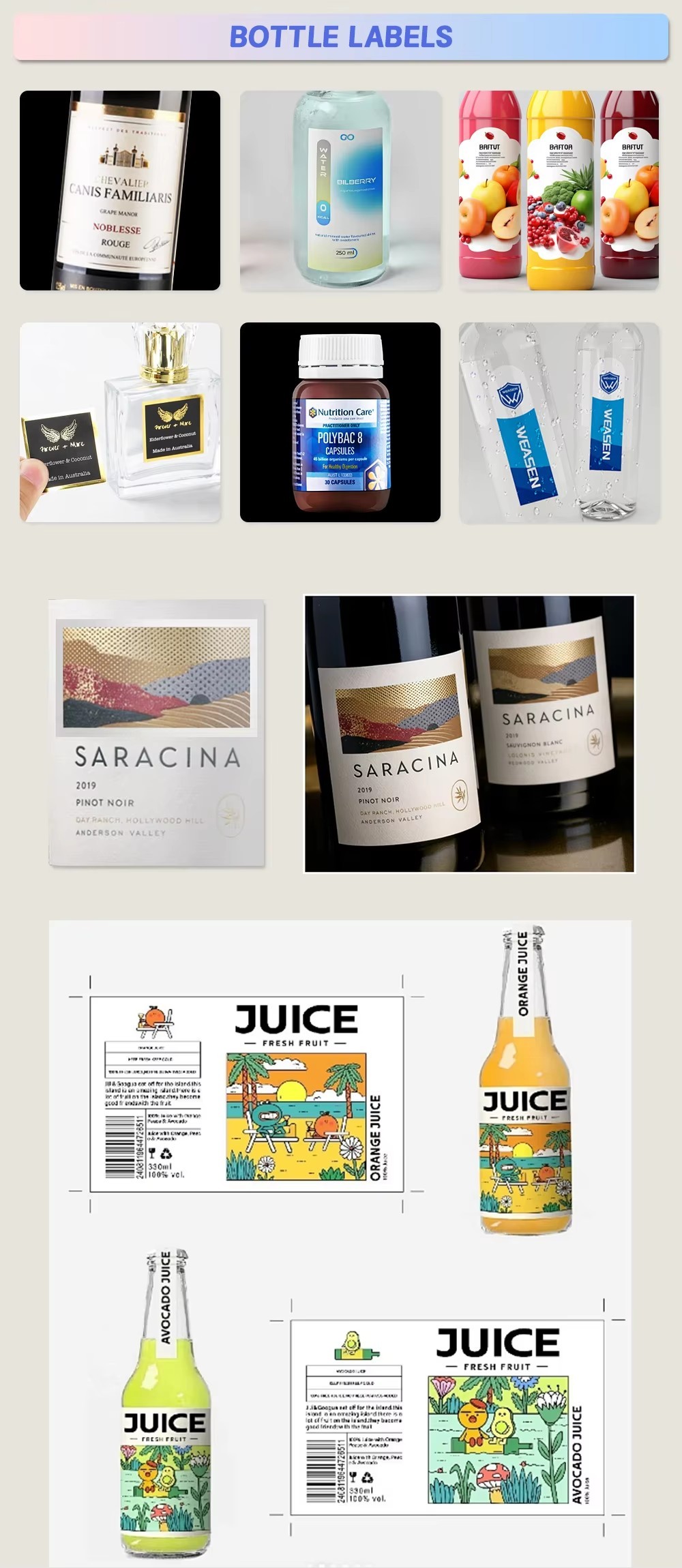
Brand tier Typical risk Recommended minimum Mass / D2C Marketplace listing hijack, refill-and-resell Serialized dynamic QR + tamper-evident seal; verify on the brand site. Premium / A-beauty High-resale fakes, gift-box diversion QR + registered hologram + VOID; consider NFC on hero SKUs. Luxury / limited edition Full clone, serial replay QR + hologram + covert forensic + NFC on the hero line; per-unit serialization. Regulation vs. Authentication: Know the Boundary
Regime What it actually mandates Where authentication helps US · MoCRA
Modernization of Cosmetics Regulation Act, 2022 (effective 29 Dec 2023)Facility registration, product listing with FDA, safety-substantiation records, serious-adverse-event reporting, labelling of contact info and (forthcoming) allergens, GMPs. None of these is an anti-counterfeit label — but a scanned code can surface the registered product and the authorised seller. EU · Reg. (EC) 1223/2009
CPNP notification, CPSR safety assessment, Responsible PersonProduct notification, a Cosmetic Product Safety Report, a Responsible Person, and strict labelling (INCI, expiry, batch). A QR can carry the CPNP reference and the responsible-person contact so a buyer verifies legitimacy. China · CSAR
Cosmetic Supervision and Administration Regulation (in force 2021)Notification/filing, safety assessment, full ingredient labelling and traceability obligations for the registrant. The traceability duty is where a unit-level code earns its place. 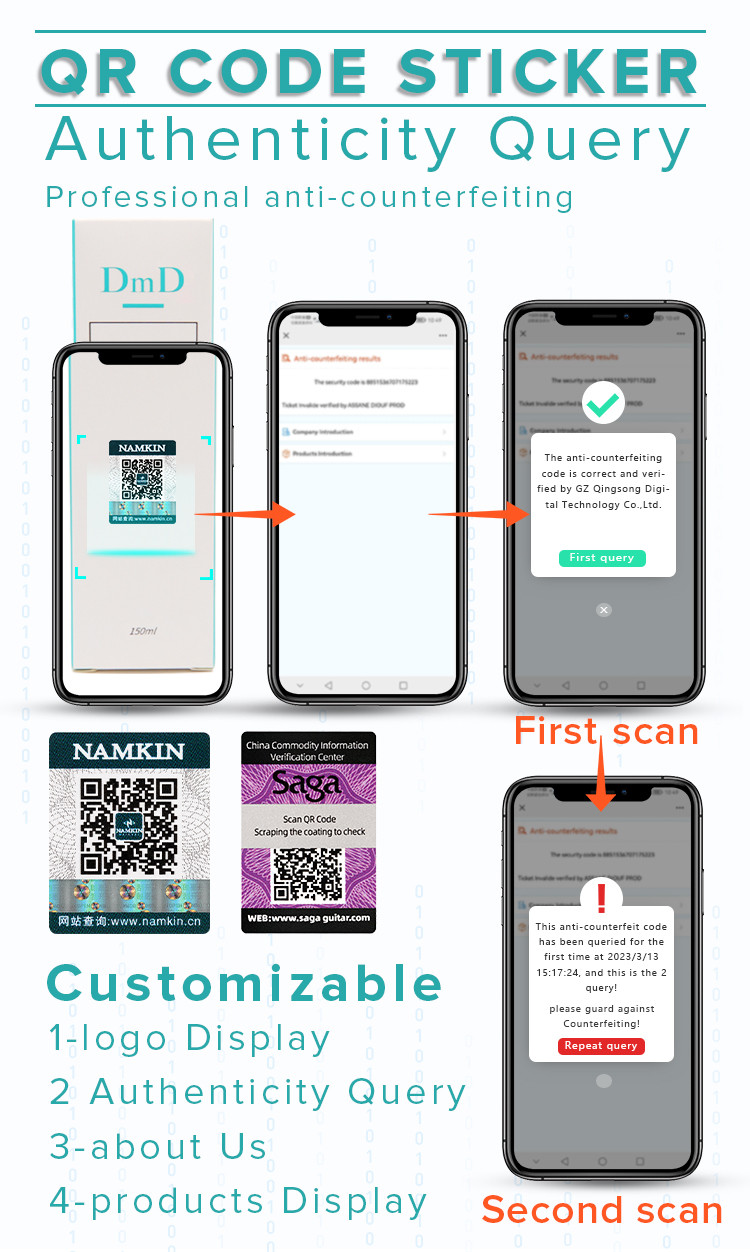
A Six-Step Path From Risk to Protection
Frequently Asked Questions
Is an anti-counterfeit label mandatory for cosmetics?
Does a QR code actually reduce counterfeits?
Which tier needs NFC?
Can one label serve multiple markets?