India FMCG Trust Crisis: Anti-Counterfeit Labels for Spices, Tea & Edible Oil
- Share
- publisher
- QS DEFENDER Compliance Team
- Issue Time
- Nov 9,2026
Summary
In 2024, ethylene-oxide findings in Indian spice blends triggered recalls in Hong Kong and Singapore and inquiries across multiple markets, denting FMCG trust. This guide explains why spices, tea, and edible oil are prime counterfeiting targets, what FSSAI now expects on the pack, and how a layered anti-counterfeit label with a unique code on every unit helps brands prove authenticity and trace each batch.
India's fast-moving consumer-goods (FMCG) shelves run on trust — and that trust took a public hit in 2024. When Hong Kong and Singapore flagged ethylene-oxide residues in popular Indian spice blends, the recall rippled across export markets and dented domestic confidence. For brands in spices, tea, and edible oil, the lesson is clear: a label is no longer just a legal formality, it is the front door of trust. This guide explains why these three categories are prime counterfeiting and adulteration targets, what FSSAI now expects on the pack, and how a layered anti-counterfeit label with a unique code on every unit turns compliance into a competitive advantage.
India's FMCG Counterfeit Problem Is a Trust Problem
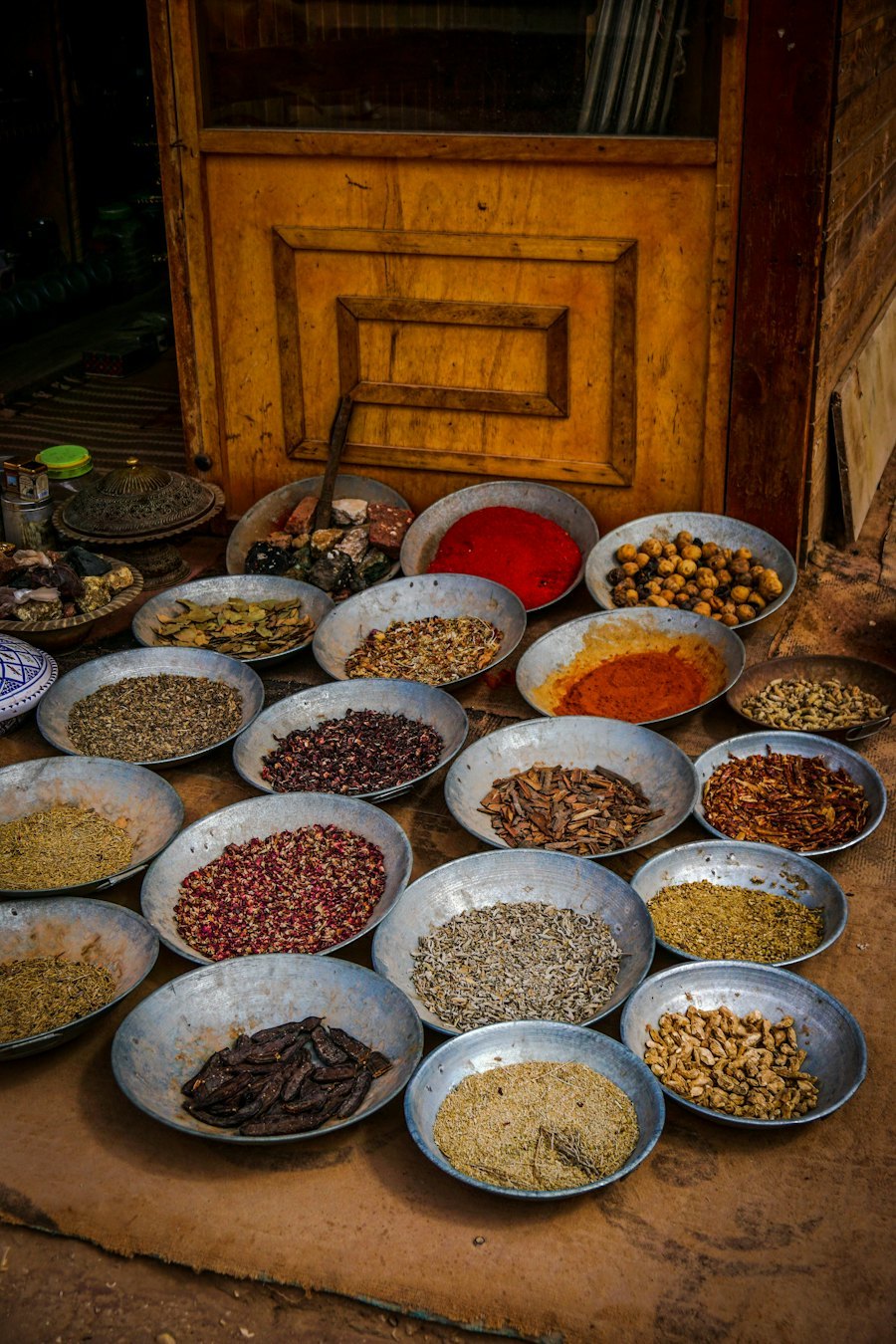
In April and May 2024, food-safety authorities in Hong Kong and Singapore suspended and recalled several Indian spice-mix brands over ethylene oxide — a pesticide banned in food and classified as a Group 1 carcinogen by the International Agency for Research on Cancer. India's food-safety regulator (FSSAI) responded by ordering nationwide inspection and testing of spice manufacturers. Other markets, including Nepal, the Maldives, the United States, the United Kingdom, Australia, and the European Union, opened their own inquiries. India is the world's largest producer, exporter, and consumer of spices, so the scrutiny was not niche: a 2024 consumer survey found that more than seven in ten Indians doubted the regulator's ability to keep food safe. When the product in question is something as everyday as turmeric, chilli, tea, or cooking oil, a single recall can undermine years of brand equity.
At a glance
- Trigger: 2024 ethylene-oxide findings in exported spice blends triggered recalls in Hong Kong, Singapore, and inquiries across multiple markets.
- Regulator response: FSSAI ordered nationwide sampling and testing of spice manufacturers and continues to tighten residue and labelling rules.
- Why it matters: a 2024 survey showed over 70% of consumers had low or no confidence in food-safety oversight.
- The fix: brands that can prove a pack is genuine, batch-traceable, and compliant rebuild trust faster than those that only claim it.
Why Spices, Tea, and Edible Oil Are Prime Targets
Counterfeiters follow margin and volume. Spices, tea, and edible oil combine both, and each carries a distinct weakness a fraudster can exploit. A label that is copyable by anyone is, by itself, no defence.
Spices
High-value powders are easy to stretch with fillers such as starch, sawdust, or even toxic colorants, and residue scares erode export trust overnight.
Tea
Premium and GI-tagged names (for example Darjeeling) are counterfeited with blended or diluted fakes sold under the real brand's reputation.
Edible oil
Adulteration with cheaper oils and misleading grade or origin claims is hard for a shopper to detect by sight, smell, or taste.

Adulteration Patterns Buyers Cannot See
Most adulteration is invisible at the point of sale. A shopper cannot see pesticide residues, added fillers, or a substituted oil blend by looking at a sealed pack. That makes the printed label the only trust anchor a buyer has — which is precisely why a convincing fake label is so damaging. If anyone can reprint a brand's logo, batch code, and "pure" claim, the honest product loses the very signal that was supposed to protect it. The stronger answer is to make the label itself verifiable: a secure, brand-controlled layer a customer or inspector can check on the spot.

FSSAI and the Push for Traceability
India's Food Safety and Standards (Labelling and Display) Regulations, 2020 already require prepackaged foods to carry essentials such as the product name, net quantity, batch or lot number, manufacturer or importer details, and a best-before or use-by date. FSSAI also restricts the loose sale of powdered spices to curb contamination. The direction of travel is toward more traceability, not less: in 2025 FSSAI ran a nationwide spices enforcement drive and has proposed expanding pesticide maximum residue limits for spices from 18 to 98, while Indian agencies pushed spice-quality alignment through the Codex framework. For brands, traceability is shifting from a "nice to have" to an expectation that buyers, retailers, and inspectors will increasingly check.
| What the pack should carry | Why it matters |
|---|---|
| Batch / lot code | The anchor for any traceability or recall; lets a suspect lot be isolated fast. |
| Manufacturer / importer details | Required under FSS (Labelling & Display) Regulations, 2020; proves accountable origin. |
| Best-before / use-by date | Mandatory on prepackaged foods; a missing date is a red flag for buyers. |
| FSSAI licence number | Verifiable through the regulator's licence lookup; a fake or missing number is a warning sign. |
| Unique per-unit code | Goes beyond the batch to let a single pack be authenticated and traced to its record. |
A batch code printed in ink is easy to copy. The defensive step is a code that resolves to data the brand actually issued — so a forged pack fails verification instead of passing on a shelf.

The One-Item-One-Code Defence
QS DEFENDER's model gives every pack its own unique, scannable identity. A holographic optical layer makes the branded label hard to reproduce; a digital QR layer carries the batch, origin, and test status; and an optional NFC layer lets a phone tap confirm authenticity without an app. When a shopper or inspector scans the code, it resolves to the manufacturer's own record — batch, origin, and compliance status — rather than to a static, copyable claim. This is the same principle that protects pharmaceuticals under India's 2026 serialization rules and electronics under the BIS quality-control regime; the sector changes, the logic does not. Not all codes are equal, though — see our guide on Dynamic vs Static QR Codes for Brand Protection for why a dynamic, per-unit code beats a printed static one.
- Optical (holographic): deters casual copying of the brand label at the source.
- Digital (unique QR + batch data): turns the FSSAI batch code into a verifiable, scannable record.
- Machine-readable (NFC): one-tap confirmation for retailers, inspectors, and consumers.
- Verification backend: flags a pack when its scan does not match an issued record, supporting fast, targeted recalls.
This layered thinking mirrors the approaches we detailed for India's 2026 pharma serialization rules and for electronics under the BIS Quality Control Order — a different regulated market, the same trust engine.
Implementation Checklist for FMCG Brands
- Map your risk. Rank SKUs by counterfeiting and adulteration exposure — high-value spices, premium tea, and blended edible oils lead the list.
- Confirm labelling compliance. Ensure every pack meets FSS (Labelling & Display) Regulations, 2020, including batch code and FSSAI licence number.
- Choose the code type. Prefer a dynamic, per-unit QR (or NFC) over a static printed code so each pack is individually verifiable.
- Print the secure layer. Apply a holographic plus unique-code label that is hard to reproduce and easy for buyers to scan.
- Connect the backend. Link codes to batch, origin, and test data so a scan returns the record the brand actually issued.
- Monitor and respond. Watch scan and complaint signals so a suspect lot can be traced and recalled quickly.
Frequently Asked Questions
Why are Indian spices under such scrutiny?
Following 2024 ethylene-oxide findings in some exported blends, multiple markets opened inquiries and FSSAI ordered nationwide testing. Because India dominates global spice production and export, residue and adulteration issues draw outsized attention and can affect entire categories.
What must FSSAI-compliant food labelling include?
Under the Food Safety and Standards (Labelling and Display) Regulations, 2020, prepackaged foods generally require the product name, net quantity, batch or lot number, manufacturer or importer details, and a best-before or use-by date, plus the FSSAI licence number where applicable.
Can a QR code actually stop adulteration?
A code cannot prevent adulteration in the factory, but a unique, brand-controlled code lets a buyer or inspector confirm a specific pack against the record the brand issued — so a copied or non-compliant pack fails the check instead of reaching a shelf.
Is one code per pack really better than one per batch?
A batch code is required and useful, but it is easy to copy. A unique per-unit code narrows verification to the individual pack, which is far harder to forge and supports precise, lot-level recalls.
Does anti-counterfeit labelling help exports?
Yes. As importers and regulators demand more traceability, a verifiable label demonstrates compliance and gives overseas buyers a fast way to authenticate product — turning a trust gap into a market-access advantage.
About QS DEFENDER
QS DEFENDER designs QR-code, NFC, and holographic anti-counterfeit labels and traceability platforms for brands in India, the United States, and beyond. Our one-item-one-code solution helps spice, tea, and edible-oil brands meet FSSAI labelling expectations, prove authenticity at the shelf, and give distributors and consumers a fast way to verify a genuine product.

This article is a plain-language summary for information purposes and is not legal or regulatory advice. Always confirm current obligations against the official Food Safety and Standards Authority of India (FSSAI) regulations, including the Labelling and Display Regulations, 2020, and any subsequent amendments or enforcement notices, before making compliance or market decisions. Rules, scope, and requirements may be updated; verify with the latest official text.