QR vs NFC vs Hologram: Which Layer Fits Your Product?
- Share
- Issue Time
- Sep 16,2026
Summary
A practical guide comparing QR codes, NFC tags, and holographic labels so brand owners can choose the right anti-counterfeit layer for their product and threat model.
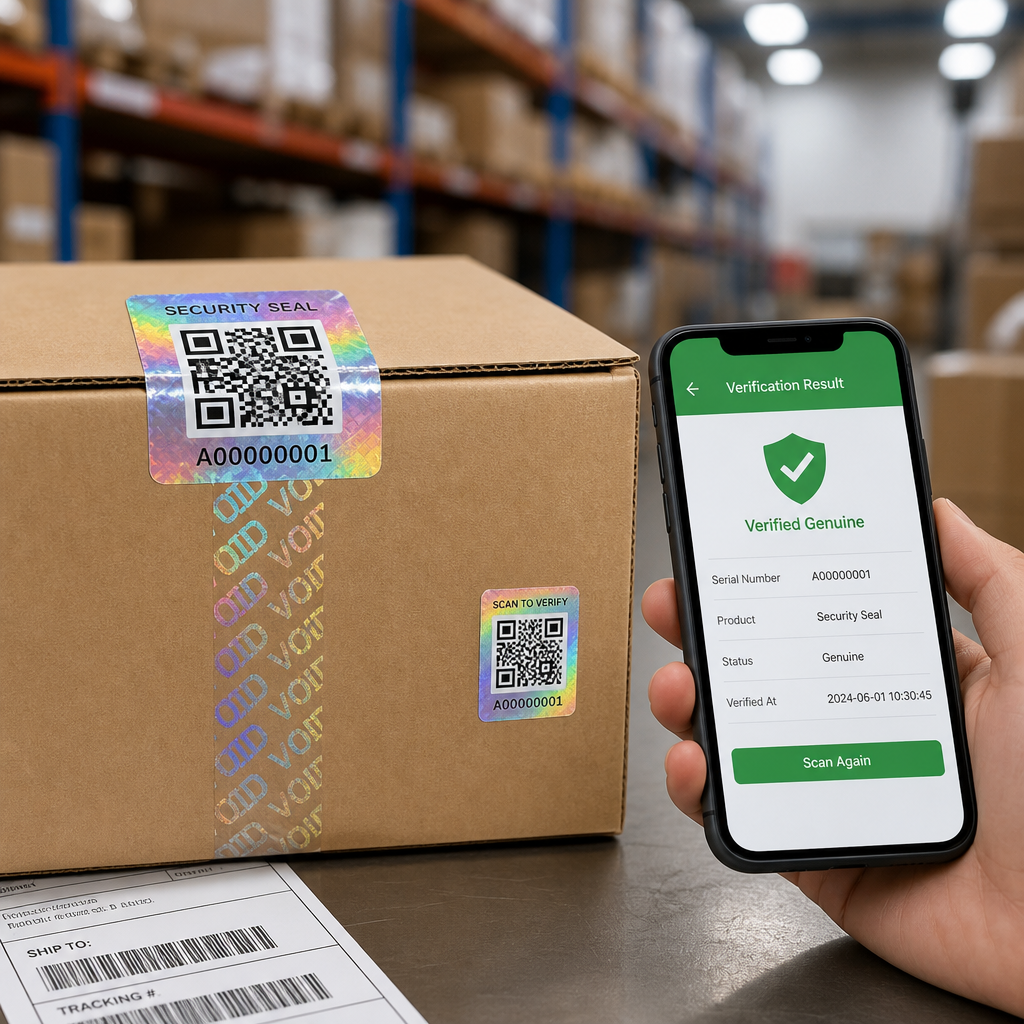
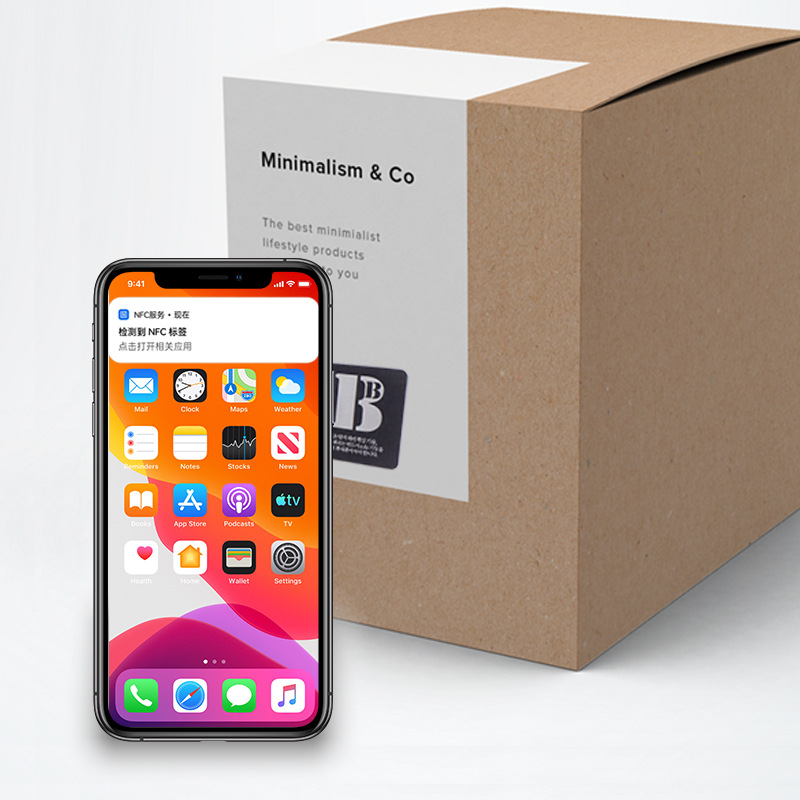
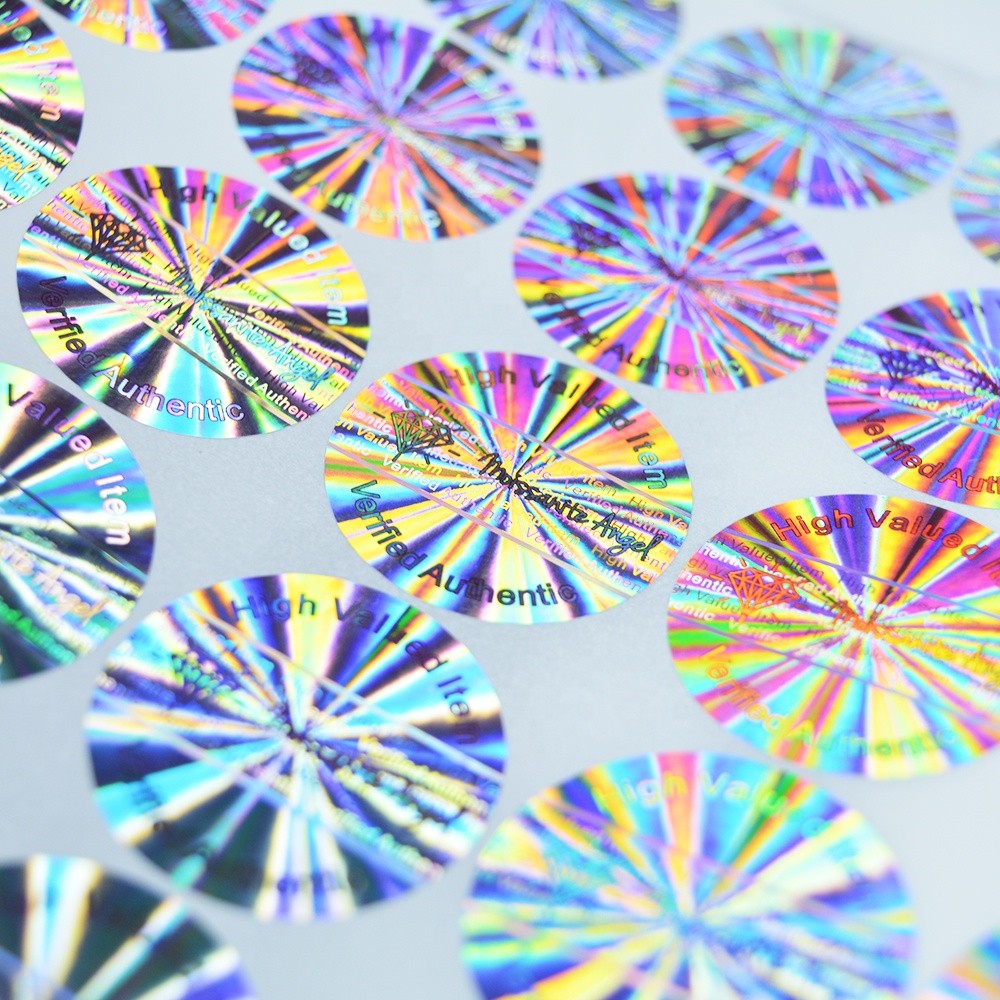
Choosing an anti-counterfeit layer is not about picking the newest technology. It is about matching the protection to your product, your supply chain, and the way your customers will actually use it. QR codes, NFC tags, and holographic labels all protect against fakes, but they work in very different ways. Below is a side-by-side look at how each layer behaves, where each one wins, and how to decide which belongs on your packaging. A serialized QR code gives every unit its own identity. When a customer scans it, the code talks to your backend and reports back genuine, already-scanned, or invalid. Because almost every smartphone reads QR codes natively, the verification experience is frictionless. The catch is that QR alone is digital. A copied static code is still readable, which is why true brand protection combines unique serialization with server-side verification and a tamper-evident label. NFC tags add a physical chip to the label or product. A customer taps the phone against the package, and the tag can return a cryptographically signed record. Because the verification is short-range, it is harder for a distant observer to intercept or clone than a visible QR code. The trade-off is cost. NFC tags are more expensive per unit than printed QR codes, so they usually make sense only when the product value justifies the extra spend. Holographic security features do not need a server, a battery, or a smartphone. They communicate authenticity through optical effects that are difficult and expensive to reproduce accurately. A customer or inspector can spot a genuine hologram in seconds, and any attempt to remove or transfer the label usually destroys it. On its own, a hologram does not store data or verify against a database. Its strength is as a physical deterrent and a tamper-evident seal. 1. What is your volume? QR scales to millions of units cheaply. NFC makes sense only above a certain product value. 2. What is the threat? If the risk is mass copying, serialization beats everything. If the risk is premium resale fraud, NFC adds stronger binding. 3. Do you need data? QR and NFC both feed analytics. Hologram does not. 4. Where will it be used? Poor connectivity favors hologram or offline NFC. Urban markets favor QR. 5. What is your budget? QR is the lowest-cost entry point. Hologram adds physical defense without electronics. NFC is the premium option. Most brand owners do not have to pick just one. A serialized QR code provides verification and data. A holographic or VOID overlay provides tamper evidence. NFC can be added for high-value SKUs. The combination raises the cost and effort for counterfeiters far more than any single layer alone. If you are starting from scratch, the typical path is QR serialization first, then tamper-evident labels, then NFC on your highest-value lines. Yes, but it is usually overkill. Start with the layer that solves your biggest risk, then add layers only where the product value or regulatory need justifies it. Regulated markets such as the EU and the US require a unique 2D identifier, so QR or DataMatrix is the starting point. Hologram or VOID seals are added for tamper evidence. For QR, no. Modern phone cameras read QR codes directly. For NFC, most Android and iOS devices support tap-to-read without a separate app, though the experience varies by tag type. The wrong layer wastes budget; the right layer protects revenue and trust. Start with our guide to serialized QR anti-counterfeit codes, then send an inquiry or contact us for a fit assessment. Browse anti-counterfeit labels and tags →QR vs NFC vs Hologram: Which Layer Fits Your Product?
The QR Code Layer: Scalable, Serialized, and Consumer-Ready
Where QR wins
The NFC Layer: Encrypted, Tap-to-Verify, Premium-Grade
Where NFC wins
The Hologram Layer: Visual, Instant, and Physical
Where hologram wins
Head-to-Head Comparison
Feature QR Code NFC Tag Hologram Unit cost Very low Higher Low to medium Clone resistance Strong when serialized + server-checked Strong with encrypted tag Strong visual deterrent Data per unit Backend linked, analytics rich Can store signed data on tag None Consumer UX Camera scan Tap phone Visual check Tamper evidence Requires a separate label Requires a separate label Built into the optical layer Best fit High-volume, regulated goods Premium, high-value products Certificates, stamps, shelf trust How to Choose in Five Questions
The Strongest Defense Is Usually a Layered One
Frequently Asked Questions
Can I use all three on one product?
Which is best for pharmaceutical serialization?
Do customers need a special app?
Need Help Matching the Right Layer?