Small Labels, Big Wisdom: How Holographic Anti-counterfeiting Technology Becomes the "Guardian Angel" of Brands
- Share
- publisher
- fy
- Issue Time
- Nov 30,2025
Summary
How to enable consumers to easily distinguish authenticity and how to protect brand reputation from being infringed upon are issues that every responsible enterprise must confront. Holographic anti-counterfeiting labels, as a comprehensive anti-counterfeiting solution integrating optics, physics, and precision plate-making technology, are becoming a pillar for protecting both brands and consumers with their dazzling visual effects, high technical barriers to replication.
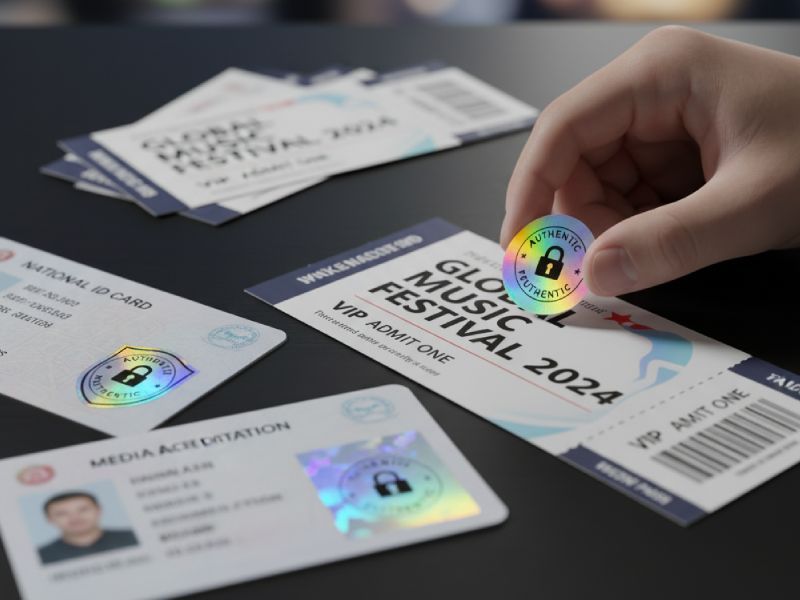
The future holographic anti-counterfeiting technology will develop in the direction of being more intelligent, more integrated, and more difficult to counterfeit, combined with digital twins: Each physical product corresponds to a unique digital identity (blockchain verification), and the holographic label serves as the physical entry point for this digital identity. By scanning it, one can verify and trace the entire chain of information from production to sales of the product. Dynamic and intelligent holography: Develop variable-color and even simple animation dynamic holograms, with anti-counterfeiting features that are more intuitive and impossible to replicate. Nanostructures and photonic crystals: Use more microscopic nanostructures to manufacture colors and images, with precision reaching the molecular level, making counterfeiting almost impossible. AI recognition assistance: Develop a mobile app that uses artificial intelligence image recognition technology to automatically analyze the holographic features of the label, providing consumers with a simple and no-barrier authentication service.

Q1: What exactly is a holographic anti-counterfeiting label? Is it just that shiny sticker?
A: The "shiny stickers" you mentioned are just the most superficial feature of it. Holographic anti-counterfeiting labels are far more than that. They are anti-counterfeiting marks made by using laser holographic technology, which have a three-dimensional stereoscopic effect and dynamic changing effects.
You can think of it as an extremely complex "optical fingerprint". Through laser interference, the light wave information of an object (usually a specific pattern, text or logo) is recorded on a special photosensitive material. When you view it from different angles and under different lighting conditions, it presents vivid three-dimensional images and color changes, an effect that ordinary printing simply cannot imitate.
Q2: Why is it difficult to counterfeit holographic anti-counterfeiting labels? What are the core technical barriers?
The anti-counterfeiting capability of holographic anti-counterfeiting labels stems from their extremely high technical barriers and comprehensive complexity, which are mainly reflected in the following aspects:
1. Complex plate-making technology: Producing a holographic master plate requires top-notch laser interference systems and ultra-clean environments. The equipment is expensive and the technical threshold is extremely high. This is the first line of defense in itself.
2. Multi-dimensional information presentation: It contains various types of information such as three-dimensional stereoscopic, color changes, and dynamic effects (such as flipping and zooming). It is very difficult for counterfeiters to perfectly replicate all these dimensions.
3. Special materials and processes: Labels usually use special materials such as aluminum-coated film, OPP, and PET, and incorporate technologies such as encrypted dot matrix, micro-printing, peel-off with residue, and shattered film. For example, the "peel-off with residue" technology makes it so that when the label is peeled off, part of the information remains on the packaging and the other part on the label, causing irreversible damage and effectively preventing the label from being reused.
4. Integrated information layer: Modern holographic anti-counterfeiting labels can even be combined with digital anti-counterfeiting (QR codes, traceability codes) to achieve "one product, one code", which not only provides anti-counterfeiting but also enables traceability marketing.
Q3: In which fields are holographic anti-counterfeiting labels mainly applied?
A: Its application fields are extremely wide-ranging. Virtually all industries that need to protect the value of genuine products are using it.
· High-end consumer goods: Famous liquors (such as Moutai and Wuliangye), cigarettes, high-end cosmetics, luxury goods, etc., are the main areas where counterfeits are rampant, and holographic labels are standard.
· Medical: On the packaging of medicines, health supplements, and medical devices, to ensure drug safety and prevent counterfeit drugs from endangering life and health.
· Certificates and licenses: Passports, ID cards, diplomas, professional qualification certificates, etc., as official security certifications.
· Electronic components: To protect high-value chips, integrated circuits, etc. from the impact of counterfeit and shoddy products.
· Publications and software: Anti-counterfeiting labels for genuine books and software CDs.
Q4: As an ordinary consumer, how can one quickly distinguish authenticity through holographic anti-counterfeiting labels?
A: Remember four words: "Look, touch, lift, sweep."
· Look: Gently rotate the label under light to observe if its colors are vivid, the transitions are natural, the three-dimensional effect is strong, and the patterns change dynamically. Counterfeit labels usually have dull patterns, single colors or "rainbow spots".
· Feel: Touch the surface of the label with your hand. Genuine holographic labels often have a distinct sense of relief (corresponding to their three-dimensional images).
· Peel: Try to peel off the label (for peel-off type labels), and see if it can be removed completely without leaving any underlying information. If it can be easily and completely removed without residue, it is likely to be a counterfeit.
· Scan: If the label contains a QR code, scan it with your mobile phone to jump to the official query page and check if the product information matches.
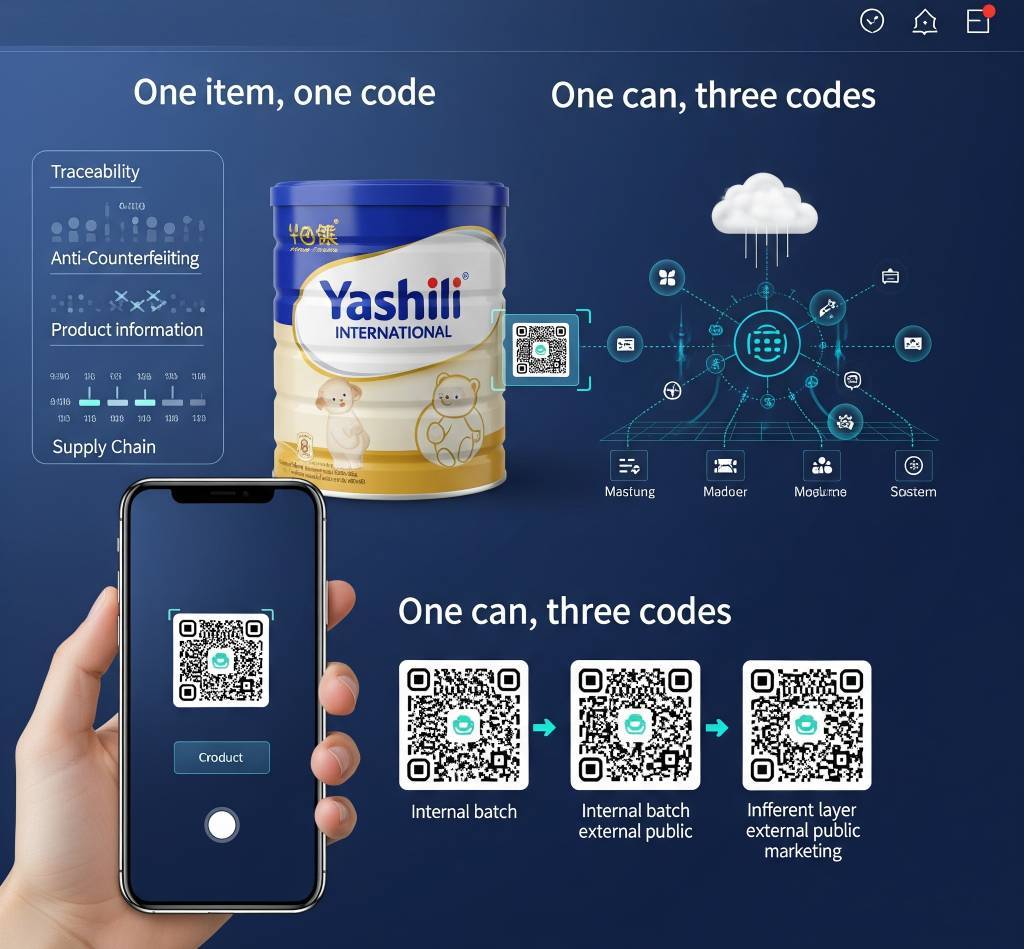
The holographic anti-counterfeiting label, this technological marvel confined within a small area, has long transcended its physical definition as a "label". It is a solemn commitment made by the brand to consumers, a powerful defender of market order, and an important cornerstone in building a social integrity system. Choosing it is not merely choosing a means of anti-counterfeiting, but also choosing a responsibility and trust.