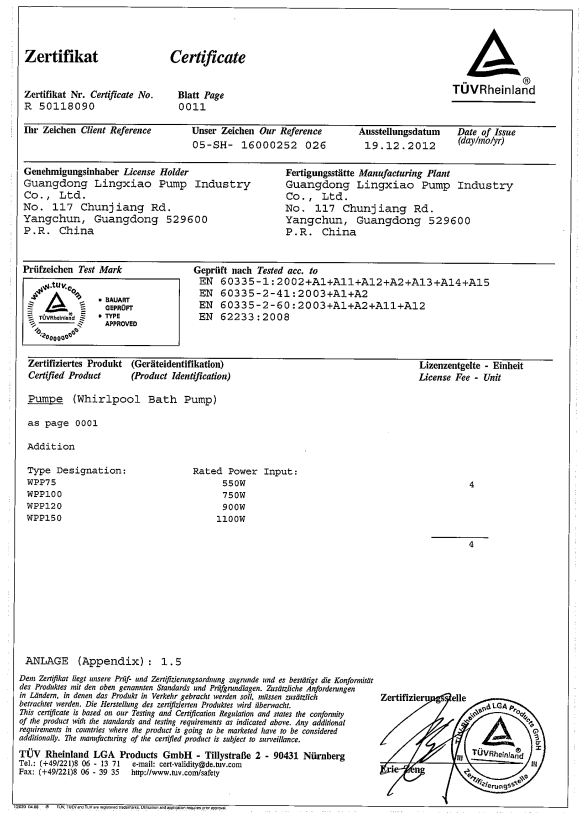
ROHS
Item specifics
- Expiration Date
- 2022/7/29 - 2025/11/28
- No.
- SZXEC2202545201
- Certification bodies
- SGS
- Organization Phone
- 020-28391113
Certificate description
RoHS Certification Description for the Anti-Counterfeiting Label Industry
Introduction
The Restriction of Hazardous Substances (RoHS) certification is a globally recognized standard that ensures products, including anti-counterfeiting labels, are manufactured without the use of specific hazardous materials that pose risks to human health and the environment. In the anti-counterfeiting label industry, RoHS certification underscores an organization’s commitment to producing environmentally safe, sustainable, and compliant products while maintaining the high security and quality standards required for effective anti-counterfeiting solutions. This certificate is a testament to an enterprise’s dedication to environmental responsibility, regulatory compliance, and consumer safety.
Background and Significance of RoHS Certification
The anti-counterfeiting label industry plays a vital role in protecting brand integrity and preventing fraud in global markets. However, the materials used in producing these labels must meet stringent environmental and safety regulations to minimize ecological impact and ensure safe handling throughout the product lifecycle. The RoHS directive, originating from the European Union and adopted worldwide, restricts the use of certain hazardous substances, such as lead, mercury, cadmium, and specific flame retardants, in electrical and electronic equipment, including components used in anti-counterfeiting labels.
RoHS certification in this industry signifies that an organization has implemented rigorous controls to eliminate restricted substances from its production processes, ensuring that its labels are both secure and environmentally friendly. This certification is critical for enterprises aiming to access global markets, comply with international regulations, and meet the growing demand for sustainable products. By achieving RoHS certification, companies demonstrate leadership in environmental stewardship while maintaining the functionality and reliability of their anti-counterfeiting solutions.
Scope and Requirements of RoHS Certification
RoHS certification applies to the materials, components, and manufacturing processes used in producing anti-counterfeiting labels, particularly those integrated with electronic elements like RFID chips or conductive inks. The key requirements include:
1.Restriction of Hazardous Substances
Organizations must ensure that their products do not contain restricted substances beyond the allowable limits, including lead (Pb), mercury (Hg), cadmium (Cd), hexavalent chromium (Cr6+), polybrominated biphenyls (PBB), and polybrominated diphenyl ethers (PBDE). For certain applications, additional substances like phthalates may also be restricted.
2.Material Compliance
All raw materials, adhesives, inks, and electronic components used in anti-counterfeiting labels must be tested and verified to comply with RoHS standards. Suppliers must provide documentation, such as material declarations or test reports, to confirm the absence of restricted substances.
3.Production Process Control
Manufacturers must implement strict controls throughout the production process to prevent contamination by hazardous substances. This includes regular audits of manufacturing facilities, equipment, and supply chains to ensure compliance.
4.Testing and Verification
Products must undergo rigorous testing by accredited laboratories to confirm compliance with RoHS requirements. Testing methods may include X-ray fluorescence (XRF) analysis or chemical analysis to detect the presence of restricted substances.
5.Documentation and Traceability
Certified organizations must maintain comprehensive records, including Certificates of Compliance (CoC), technical documentation, and supplier declarations, to demonstrate adherence to RoHS standards. Traceability systems ensure that all components can be tracked back to their source.
6.Environmental Responsibility
Beyond compliance, organizations are encouraged to adopt sustainable practices, such as using recyclable materials, reducing waste, and minimizing energy consumption in production, aligning with broader environmental goals.