GS1 Digital Link Standard 2026 Update: One Code, Three Audiences — How Serialized Labels Stay Compliant
- Share
- From
- GS1 official standards (gs1.org); QSDEFENDER engineering review
- publisher
- QSDEFENDER Engineering Team
- Issue Time
- Sep 19,2026
Summary
GS1 Digital Link URI Syntax reached 1.7.0 in August 2026 and the conformant resolver spec hit 1.2.0 in January. This update explains the standard's URI anatomy, how serialized one-item-one-code programs fit it, the Sunrise 2027 retail timeline, and where it deliberately does not apply — healthcare's GS1 DataMatrix.
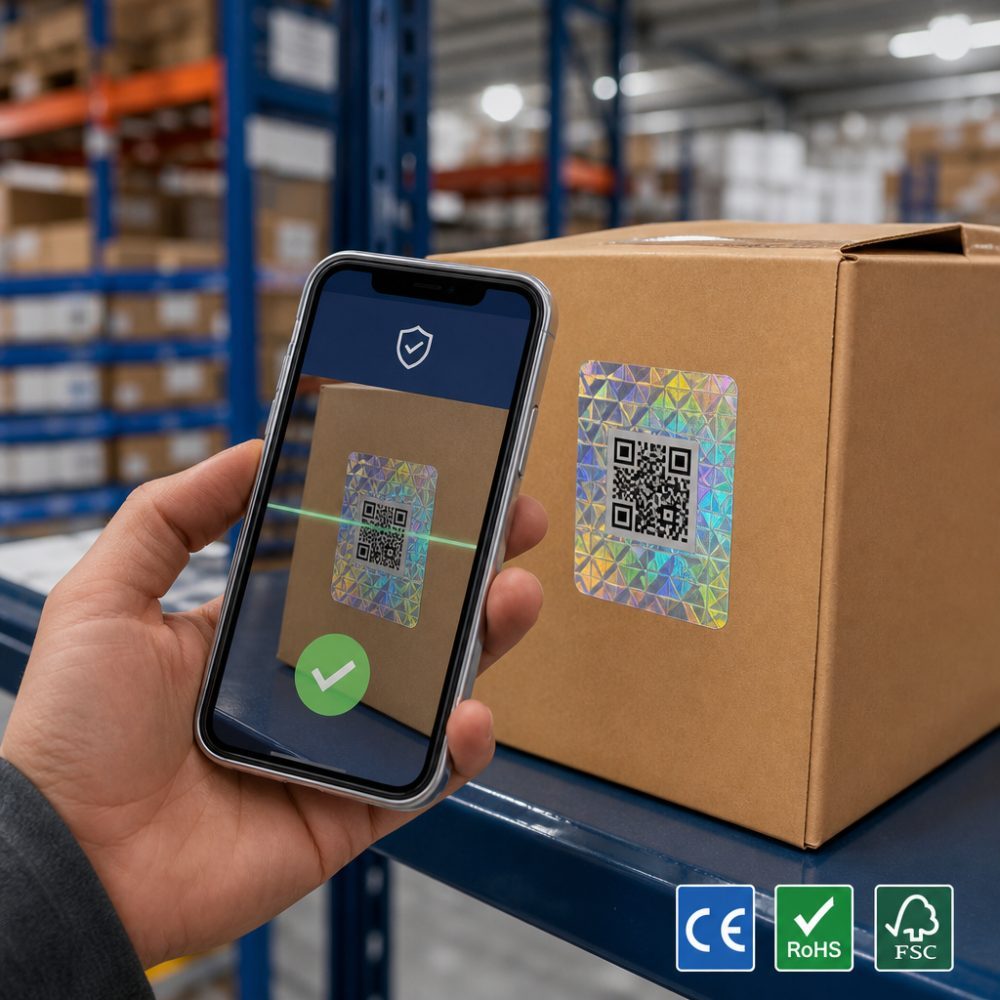
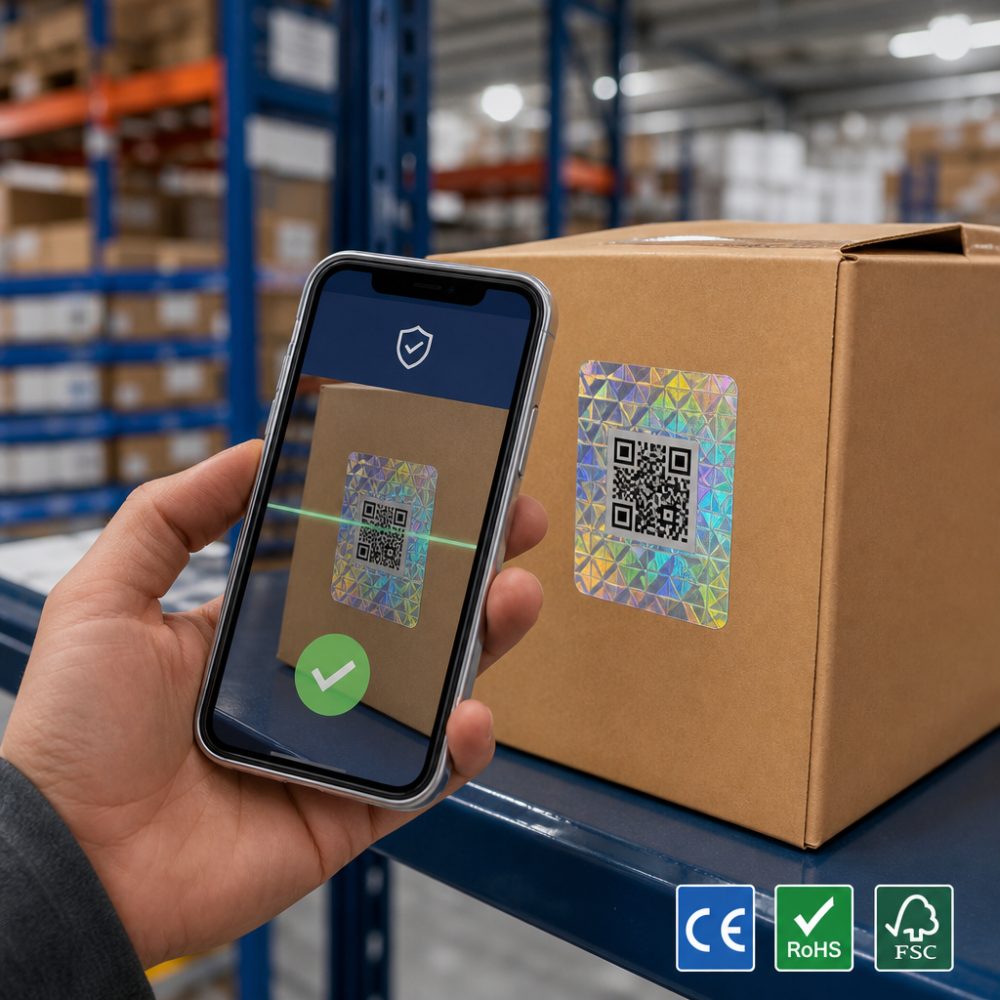
The GS1 Digital Link standard quietly hit two milestones in 2026 that every brand running a one-item-one-code program should know about: the URI Syntax specification was updated to version 1.7.0 in August 2026, and the GS1-Conformant Resolver specification reached version 1.2.0 in January 2026. Neither is a rewrite — but together they consolidate the rulebook for the single symbol that can be scanned at a retail checkout, opened by a consumer's phone, and verified item-by-item in the field. This update explains what changed, how Digital Link relates to the serialized QR codes we print and operate every day, and where the standard deliberately does not apply.
The 2026 update in three lines:
- Current standard: GS1 Digital Link URI Syntax 1.7.0 (August 2026); conformant resolver spec 1.2.0 (January 2026) — both published on gs1.org.
- Digital Link encodes GS1 identifiers (GTIN, batch, serial, expiry) as a web URI — one 2D code serves checkout scanners, supply-chain systems, and consumer phones.
- Sunrise 2027: global retail point-of-sale is expected to accept 2D barcodes by the end of 2027; brands are dual-marking (1D + 2D) throughout the transition.
What the GS1 Digital Link Standard Actually Is
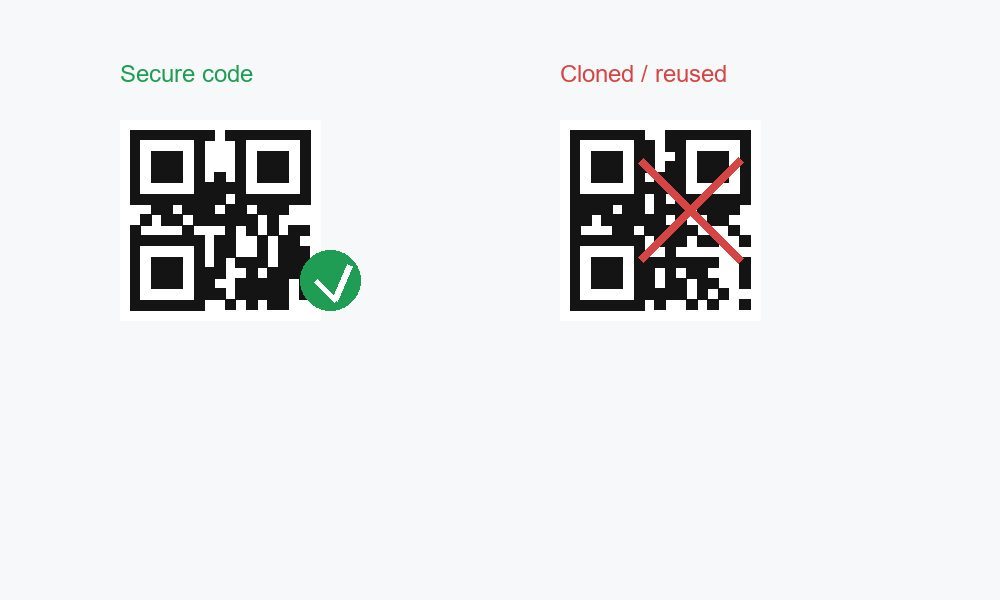
A traditional barcode tells a scanner what the product is. A traditional QR code tells a phone where to go. The GS1 Digital Link standard merges the two: it defines how GS1 identifiers are written as a structured web URI, so a single 2D symbol — typically a QR code — works for both audiences at once.
The anatomy is public and stable. A serialized pack might carry:
https://yourbrand.com/01/09506000123456/21/SN004821?17=271031
Breaking that down: /01/ is the GTIN (the product), /21/ is the serial number (this specific unit), and ?17= is the expiry date. Any retail checkout system extracts the GTIN exactly as it does today from a linear barcode. Any phone opens the URL like any other link. And any supply-chain system can read batch, serial, and expiry without a proprietary app. One symbol, three audiences, no extra print space.
What Changed in 2026
| Component | Current version | Published | Why it matters |
|---|---|---|---|
| GS1 Digital Link URI Syntax | 1.7.0 | August 2026 | The normative syntax your codes must follow — the reference for generators, printers, and validators |
| GS1-Conformant Resolver | 1.2.0 | January 2026 | How a scan is routed to the right destination per audience — the component that makes the code genuinely useful |
| URI Compression (EPC binary) | 1.0.0 | July 2025 | Compact binary encoding for data carriers with tight capacity |
All three are listed as current versions on the official GS1 Digital Link standards page. For brand owners, the practical takeaway is version discipline: if your label generator, print line, or verification platform was built against a pre-1.7.0 syntax or an older resolver profile, 2026 is the year to re-validate against the ratified text — not because old codes stop working, but because conformance is what retail pilots and regulatory frameworks actually test.
Why One-Item-One-Code Programs Fit Digital Link Naturally
Serialized brand protection and GS1 Digital Link solve adjacent problems with the same raw material: a unique code on every unit. The mapping is direct:
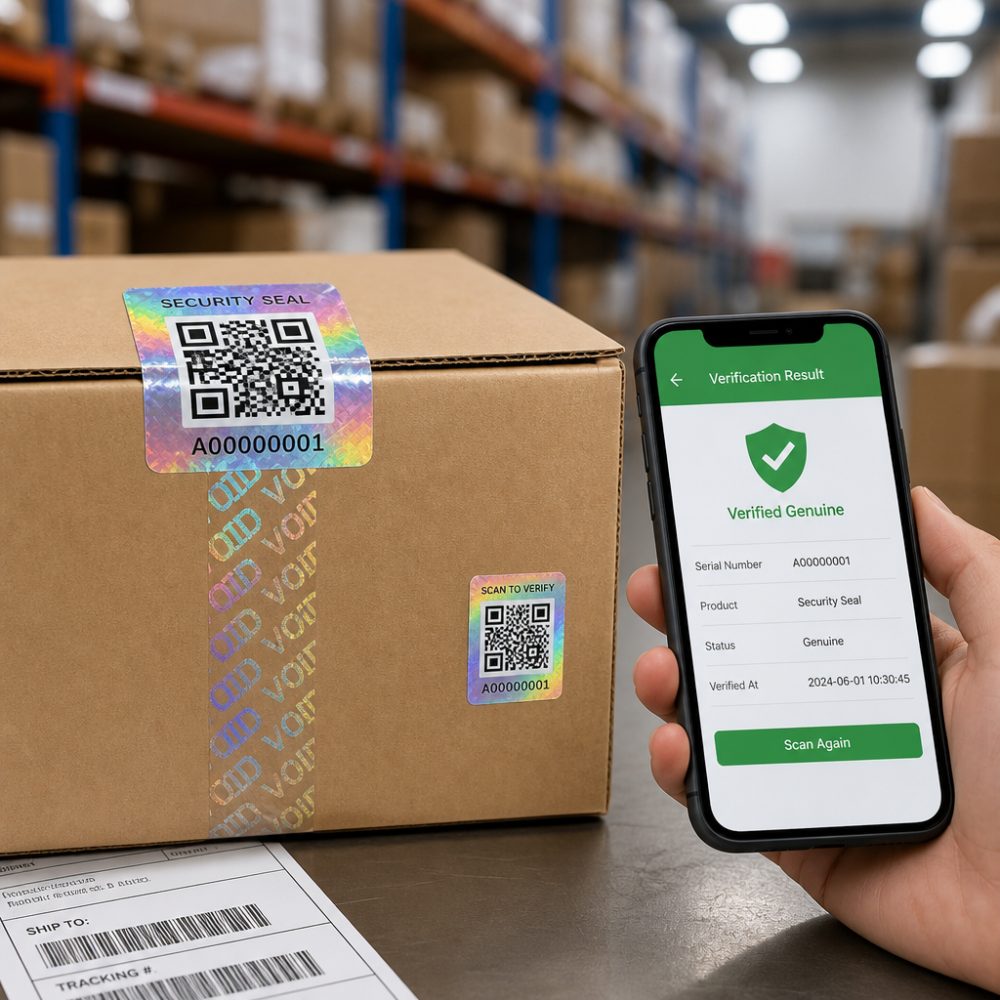
- AI 21 (serial) is the anti-counterfeit layer. A Digital Link URI that includes a per-unit serial is exactly what a server-side verification system keys on. The standard does not verify authenticity by itself — it standardizes the address; the verdict still comes from the brand's verification backend.
- Content updates without reprints. GS1's own guidance emphasizes that the destination behind the URI can be updated continuously without changing the on-pack code — packaging artwork stays fixed while campaigns, languages, and regulatory content evolve.
- Your domain, not your vendor's. The canonical form (https://yourbrand.com/01/...) keeps resolution on the brand's own domain — the same ownership principle we apply to every dynamic QR program we deploy.
Sunrise 2027: The Retail Clock That Turns This from Optional to Expected
The commercial force behind Digital Link adoption is GS1's industry-aligned transition to 2D barcodes at retail point-of-sale, commonly called Sunrise 2027: by the end of 2027, retail POS environments worldwide are expected to accept 2D codes carrying GS1 identifiers alongside — not instead of — the traditional linear barcode. Through the transition window, the working practice is dual-marking: both symbols on the pack. GS1 maintains a dedicated next-generation barcode program page with retailer case studies and implementation guidance.
For label buyers, the physical requirements are already practical: sufficient symbol size (roughly 2 cm square for reliable scanning), placement within about 50 mm of the existing linear barcode, high contrast with a clean quiet zone, and print quality graded under ISO/IEC 15415. A serialized QR code that looks perfect on screen can still fail a warehouse scanner — print grade is where Digital Link projects live or die, and it is the part we test on real production lines, not just artwork proofs.
Where the Standard Deliberately Does Not Apply
Honest boundary, stated by GS1 itself: GS1 Digital Link is not used in healthcare 2D barcodes. Regulated pharmaceutical identifiers — the EU FMD unique identifier and the US DSCSA product identifier — are carried in GS1 DataMatrix with element-string syntax, and pharmacy verification runs against national repositories or EPCIS exchanges, not a public web resolver. A mobile app can convert a DataMatrix into a Digital Link URI for consumer convenience, but compliance encoding stays DataMatrix. If you sell into pharma, Digital Link is a brand-engagement layer, not a substitute for the regulated carrier.
Planning a Digital Link-compatible code for 2027 readiness? The QSDEFENDER engineering team reviews existing label programs for Digital Link URI conformance, print grade under ISO/IEC 15415, and serialized verification readiness — and can scope a pilot on one SKU before you commit artwork changes across a catalog.
Related reading
- QR Anti-Counterfeit Codes: 2026 Implementation Playbook — the full serialized-code rollout, from print control to verification backend.
- Dynamic vs Static QR Codes for Brand Protection — why the verdict must come from a server you control, and the ownership questions to ask any platform.