Holographic & VOID Tamper-Evident Labels: Visible Defense
- Share
- Issue Time
- Oct 14,2026
Summary
Holographic and VOID tamper-evident labels add a visible physical layer of defense. Learn how they deter counterfeiting, prove authenticity, and pair with QR verification.
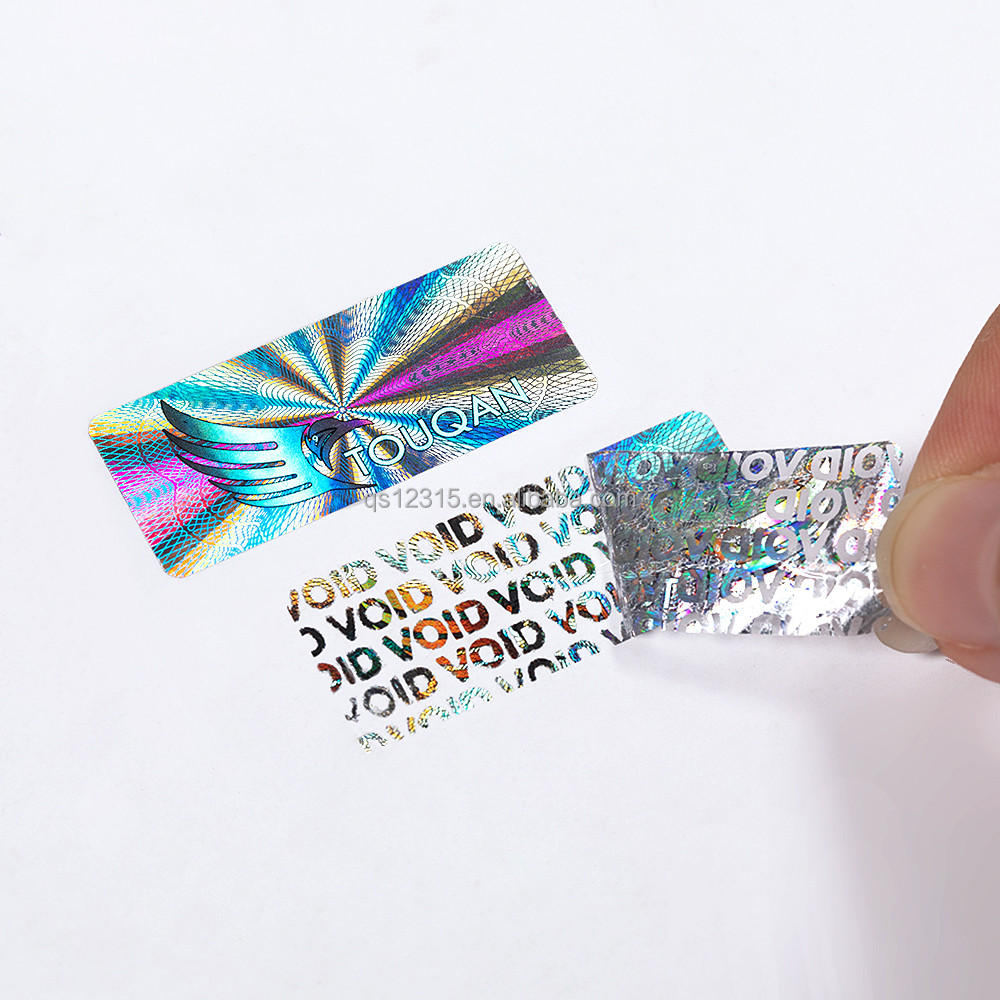
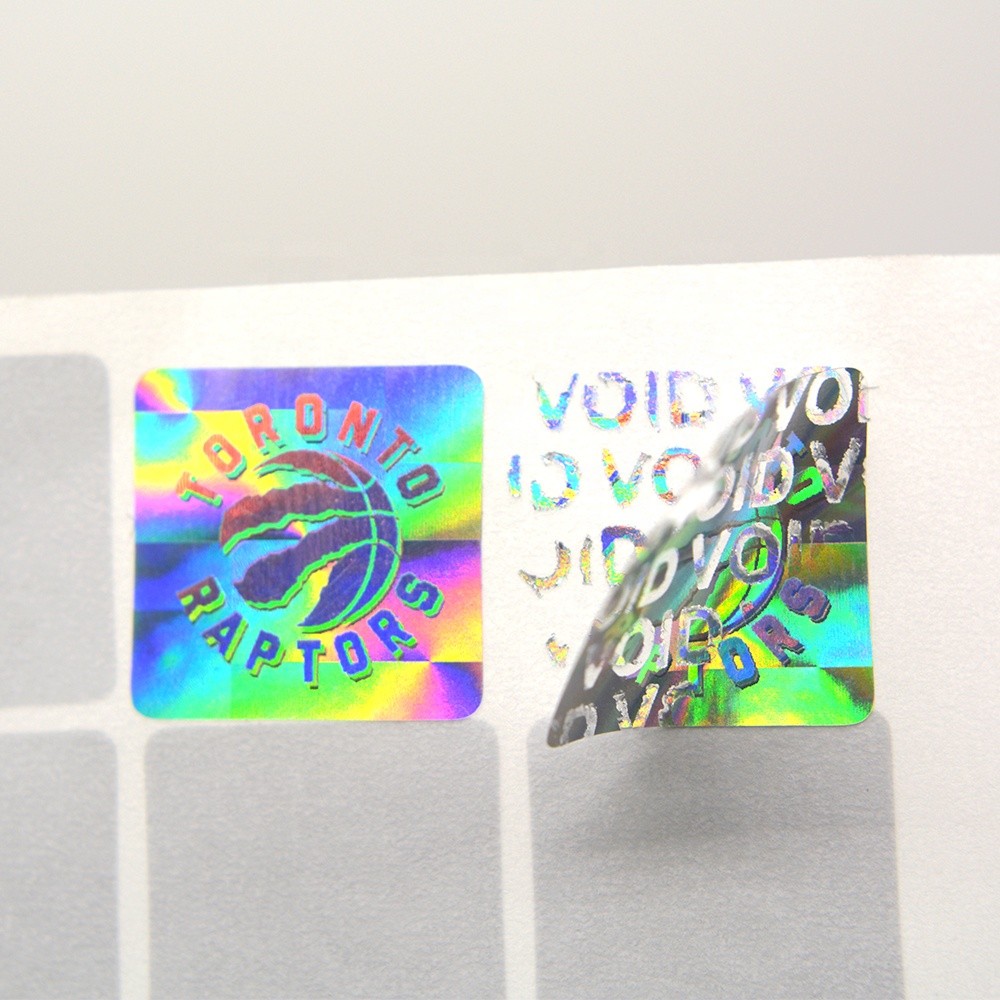
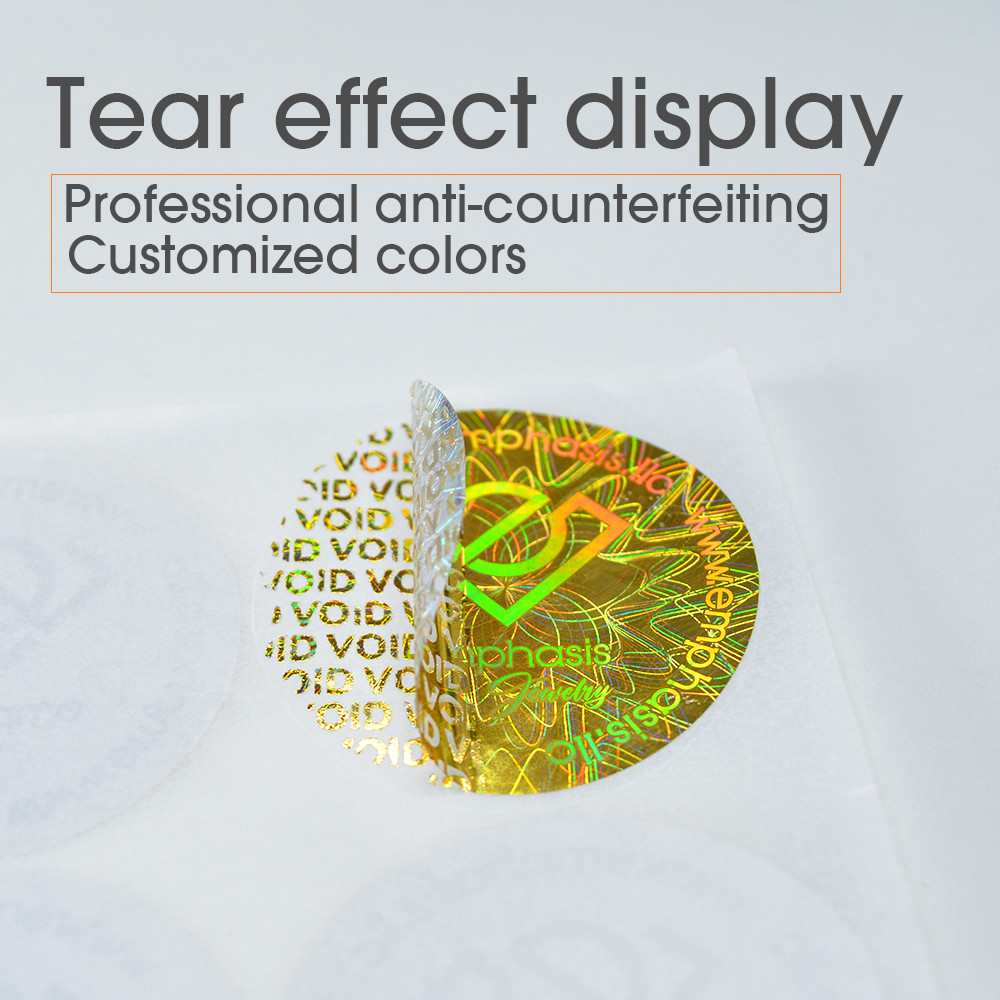
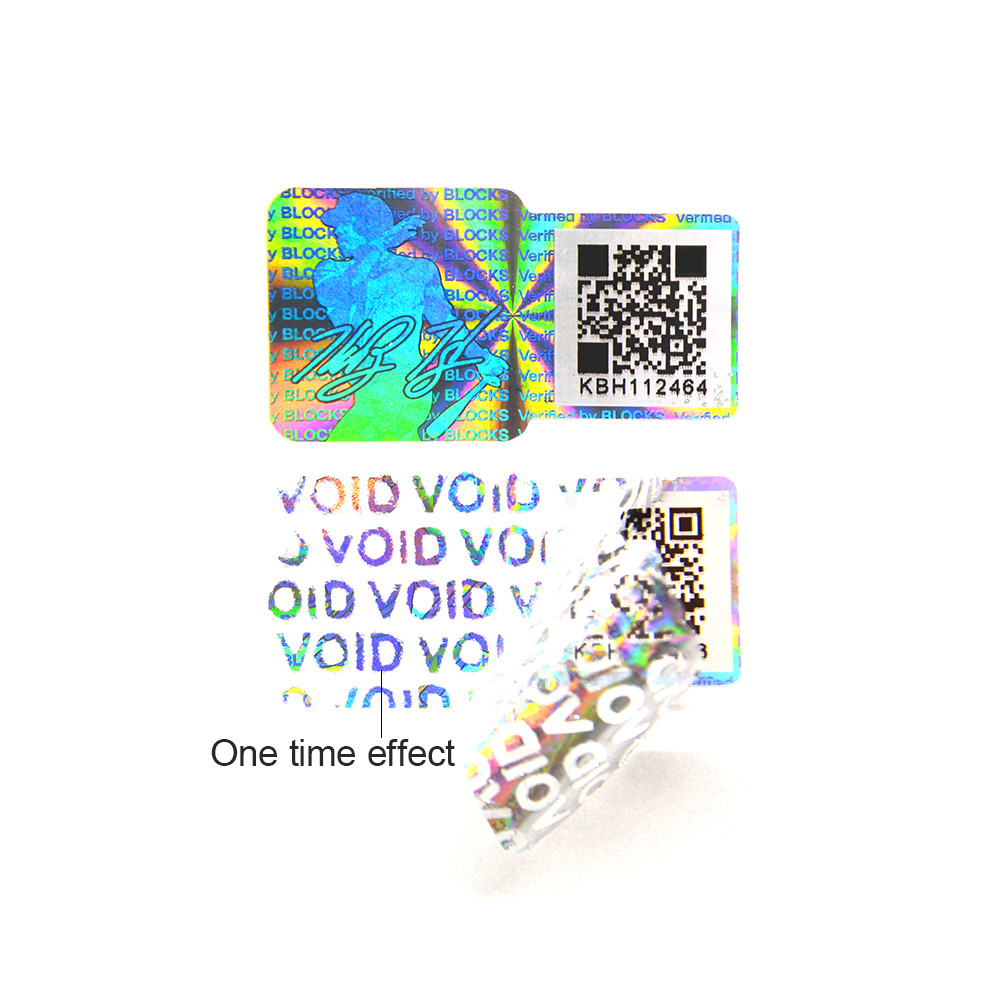
Most anti-counterfeit controls live where customers cannot see them: a serialized code in a database, a key on a chip, a record in the cloud. Holographic and VOID tamper-evident labels do the opposite. They put the proof of authenticity right on the surface, where a clerk, an inspector, or a buyer can see it in a second. That visible layer is often what stops a fake at the shelf, the warehouse, or the point of sale before anyone reaches for a phone. A holographic security label is an optical feature built from micro-structures that diffract light into moving, multi-color effects. It is not a printed picture; it is physically engraved into the film. That is why it is expensive and slow to reproduce accurately. A customer does not need an app or a reader to judge it — the shifting 3D/4D effect is the signal. When combined with a serialized QR or DataMatrix, the hologram becomes both a visual trust mark and a tamper-evident seal. The trade-off is that a hologram alone stores no data and checks against no database. Its job is deterrence and visual proof, not verification. That is where VOID comes in. A VOID label is engineered to fail loudly. Lift it and a pre-printed "VOID" message transfers to the surface, or the label itself fractures and will not re-adhere cleanly. Even a partial lift leaves a mark. The package now carries permanent evidence that someone opened it — exactly the proof a returns desk, customs officer, or buyer needs. Used on their own, each layer has a gap. A hologram can be photographed and re-applied; a VOID mark proves opening but says nothing about the genuine code beneath. Put them together and the gaps close: the hologram signals authenticity at a glance, the VOID seal proves the pack was never opened, and a serialized QR beneath ties the unit to your backend. A counterfeiter must beat all three at once, which is rarely worth the effort. Every secured unit should resolve to a live page. Scan the code below to see how a QS DEFENDER verification page reads for a genuine, already-scanned, or invalid item. Generated from http://www.qsdefender.com/ — replace with your product verification URL in production. No. Many programs start with a VOID seal for tamper evidence, add a hologram for visual trust, and embed a serialized QR for verification and analytics. Layer only where the product value or regulatory need justifies it. A photo of a hologram can fool a quick glance, but accurate replication requires the original origination tooling and is costly. The deterrent is economic: most fakes move on to easier targets. Material choice matters. PET and destructible vinyl transfer cleanly on smooth surfaces; frangible stocks suit rigid, flat substrates. Match the adhesive to the pack before rollout. Start with our guide to serialized QR anti-counterfeit codes, then explore the Anti-Counterfeiting Technology collection, including our take on VOID tamper-evident stickers. Send an inquiry or contact us for a layered label sample, or browse anti-counterfeit labels and tags →Holographic & VOID Tamper-Evident Labels: Visible Defense
What a Holographic Label Actually Does
Where holograms win
What a VOID Tamper-Evident Label Does
Why Holographic + VOID Together Is Stronger
See it work: scan to verify
How to Choose Between Them
Need Holographic VOID Combined Instant visual check Strong After opening Strong at all stages Proof of opening No Yes Yes Stores data No No Via the QR beneath Best for Certificates, stamps, shelf trust Boxes, warranties, pharma, electronics High-value, regulated, or high-risk SKUs 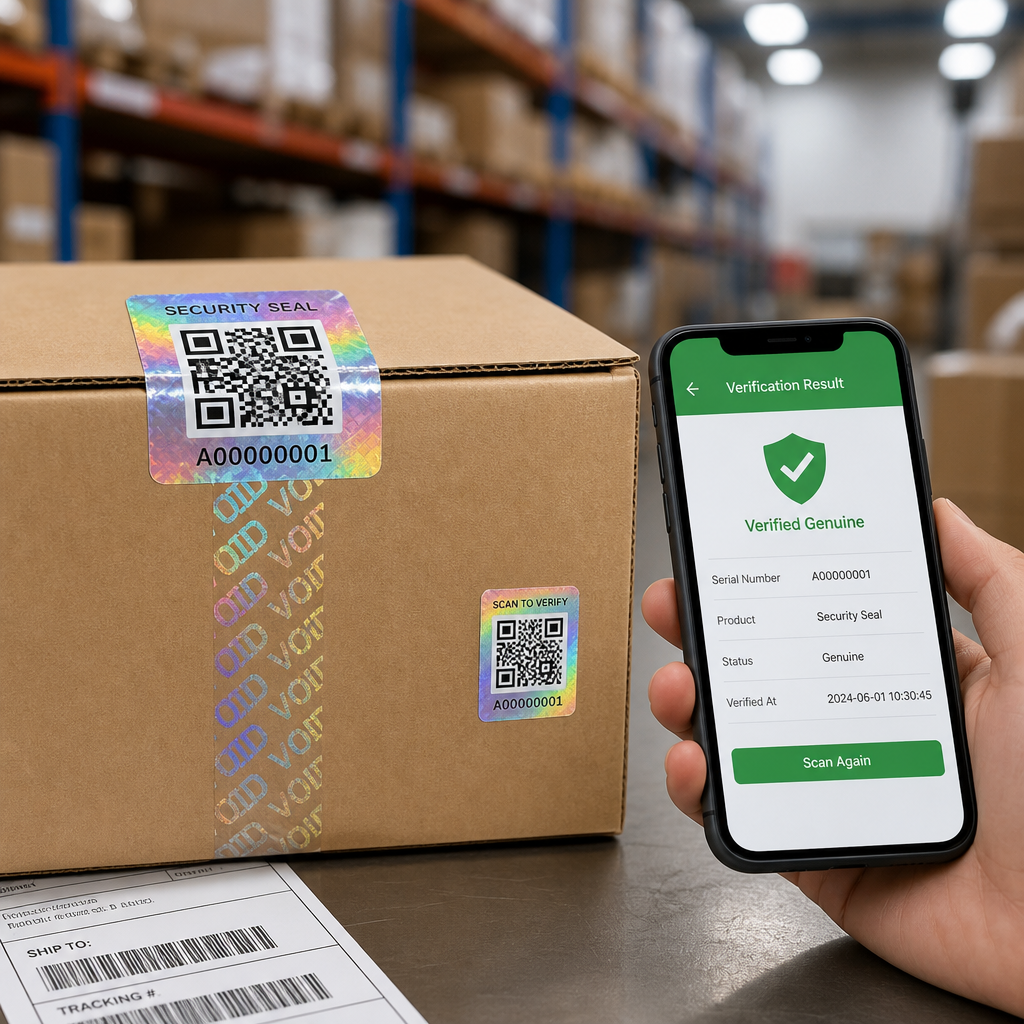
Frequently Asked Questions
Do I have to pick just one?
Can a hologram be copied?
Does VOID work on curved or textured surfaces?
Need a Layered Label Spec?